

22 Jun How to Choose Compatible Tank Mates for Your Aggressive Fish
Choosing compatible tank mates for your aggressive fish can be a challenging task. Aggression in fish varies by species, environment, and even individual temperament. To keep your aquarium peaceful and thriving, understanding fish behavior and compatibility is essential. This article explores how to select the right companions for aggressive fish, balancing aesthetics, safety, and well-being.
Aggressive fish, such as cichlids, bettas, and some gouramis, often intimidate or attack other species. According to a study by the American Cichlid Association, about 70% of cichlid species show territorial behavior that can disrupt community tanks. However, aggression doesn’t always mean total incompatibility; rather, it requires careful planning and the right tank mates.
Understanding Aggression Levels and Fish Behavior
First, it’s important to classify the type of aggression. Some fish display territorial aggression, defending a space fiercely. Others may show hierarchical aggression, where dominant fish bully others to establish rank. Knowing this helps determine whether tank mates can coexist.
For instance, male bettas are notorious for aggression towards other males and similarly colored fish, yet they can peacefully live with bottom dwellers like corydoras catfish or fast-moving tetras. Therefore, understanding species-specific behavior is vital to choosing tank mates.
Key Factors in Choosing Compatible Tank Mates
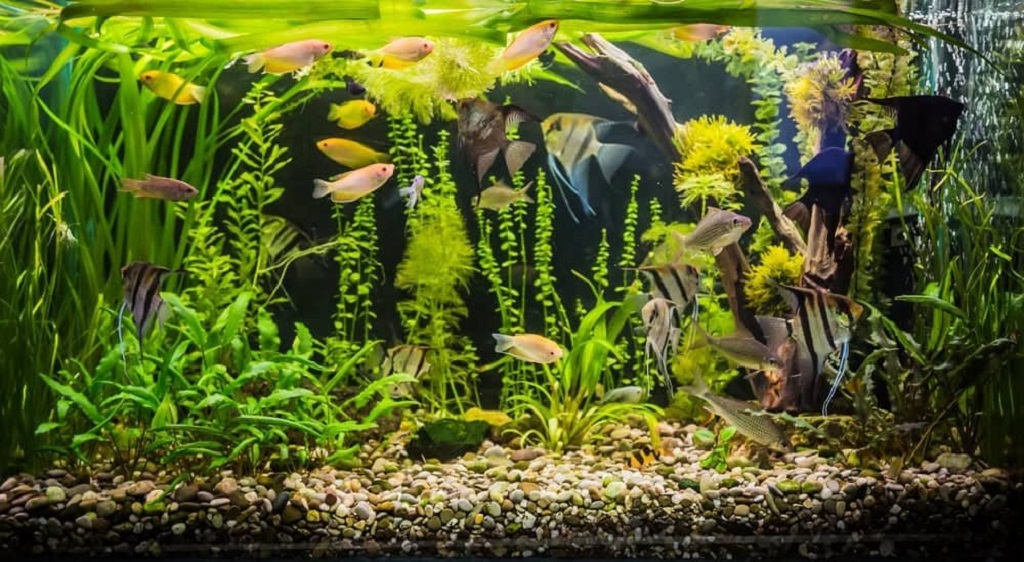
Several factors influence compatibility:
- Size: Smaller fish often become easy targets for aggressive tank mates. Larger, robust species can withstand some aggression but may become aggressive themselves. Balancing size differences can reduce conflict.
- Temperament: Some fish species are naturally more docile or shy, making them unsuitable companions. Conversely, pairing aggressive fish with others of similar temperament may balance the tank dynamics.
- Tank Environment: A well-planted tank with plenty of hiding spots reduces aggression. Fish need territories and escape routes to avoid constant stress.
- Dietary Compatibility: Fish with similar diets minimize competition. Feeding aggression can escalate if species fight for limited food.
- Water Parameters: Compatibility in temperature, pH, and hardness ensures all species thrive without stress-induced aggression.
Popular Aggressive Fish and Compatible Tank Mates
- African Cichlids: Known for territorial behavior, they do best with similar-sized and equally aggressive species. Mixing dwarf cichlids with large, peaceful fish often ends in conflict. African cichlids usually coexist with other African cichlids of similar size and temperament.
- Betta Fish: They tolerate peaceful bottom dwellers or fast, non-aggressive schooling fish. Avoid fin-nippers or brightly colored fish that trigger aggression.
- Oscar Fish: These large fish need tank mates that can hold their own, like large plecos or other Oscars, but avoid smaller species as they become prey.
Expert Tips for Success
- Introduce tank mates simultaneously: Adding fish at the same time minimizes territorial claims.
- Observe behavior: Monitor interactions closely, especially during feeding and breeding periods.
- Provide ample space: Overstocked tanks increase aggression. The general rule is one inch of fish per gallon, but aggressive species may need more room.
- Use visual barriers: Dividers or plants reduce line-of-sight aggression.
- Quarantine new fish: Stress from illness or transport worsens aggression.
Aquarium forums like The Spruce Pets emphasize the importance of research and gradual introduction. One user shared success mixing aggressive African cichlids with bottom-dwelling synodontis catfish, which avoid direct confrontation due to different habitat preferences.
Logical Considerations Behind Choosing Tank Mates
Ignoring compatibility leads to injury, stress, and eventual fish loss. Stress raises cortisol levels in fish, weakening their immune system. According to an article on FishLab, chronic aggression reduces lifespan by up to 30%. Therefore, compatibility preserves both fish health and owner investment.
Additionally, compatible tank mates contribute to vibrant aquarium aesthetics. Peaceful schooling fish alongside aggressive centerpiece species create dynamic visuals without risk. Balancing aggression with harmony requires planning but rewards enthusiasts with a captivating ecosystem.
Featured Snippet
Q: How to choose compatible tank mates for your aggressive fish?
A: Begin by understanding your fish’s aggression type and behavior. Choose tank mates of similar size and temperament that tolerate the same water conditions. Provide plenty of hiding spots to reduce territorial conflicts. Introduce fish simultaneously to prevent established dominance. Avoid small or brightly colored fish that may trigger aggression. Regularly monitor interactions and maintain a spacious tank to ensure peace and health.
Frequently Asked Questions (FAQs)
Can aggressive fish live with peaceful species?
It depends on the species and tank setup. Some aggressive fish tolerate peaceful bottom dwellers or fast swimmers that avoid confrontation.
How many fish can I keep with an aggressive fish?
Keep fewer tank mates to reduce competition. Overstocking increases stress and aggression.
Does tank size affect aggression?
Yes, larger tanks provide more territory and hiding spots, decreasing aggression.
What are good hiding spots for aggressive fish tanks?
Use rocks, driftwood, plants, and artificial caves to create breaks in sightlines.
Can feeding schedules influence aggression?
Yes, consistent feeding reduces competition and aggression during mealtime.
Are there fish that naturally calm aggressive species?
Some species, like plecos or larger catfish, avoid aggression by staying out of sight or staying at the tank bottom.
Should I separate aggressive fish immediately if fighting occurs?
If fights cause injury or stress, separate fish quickly to prevent harm.
Read More Also: Spa Treatment Contraindications Awareness
Final Thought
Choosing compatible tank mates for your aggressive fish is not just about avoiding conflict; it’s about creating a balanced, thriving aquarium. The process demands knowledge, observation, and patience. By understanding aggression types, environmental needs, and the natural behavior of each species, you can build a peaceful aquatic community. Remember, a well-planned tank benefits both fish and keeper, offering years of enjoyment and a vibrant underwater world.
Sorry, the comment form is closed at this time.