
02 Jul How to Choose Colorado-Friendly Plants for Your Garden
Colorado’s landscape is stunning—but challenging. From high altitudes and dry climates to erratic weather and short growing seasons, gardening here requires strategic planning. Learning how to choose Colorado-friendly plants for your garden is key to long-term success, and making the right plant choices can reduce water usage, improve soil health, and attract pollinators.
Understand Colorado’s Unique Climate Zones
Colorado features USDA hardiness zones ranging from 3a in the mountains to 7a along the Front Range. This variability means a plant that thrives in Denver may struggle in Aspen. Gardeners should always check a plant’s zone compatibility. The Colorado State University Extension emphasizes that understanding your microclimate—such as sun exposure, soil drainage, and wind exposure—is equally critical.
For instance, in Zone 5b (common in Boulder), plants like Rocky Mountain Penstemon and Blue Flax flourish due to their drought tolerance and cold hardiness. These perennials return each year with little maintenance.
Choose Native and Adaptive Plants
Native plants have evolved over centuries to thrive in Colorado’s soils, climate, and precipitation patterns. They require less water, fewer pesticides, and minimal soil amendments. Species such as Blanket Flower (Gaillardia aristata), Golden Columbine (Aquilegia chrysantha), and Serviceberry (Amelanchier alnifolia) are staples in Colorado-native gardens.
Adaptive plants—those not native but still compatible with Colorado’s growing conditions—also offer flexibility. Russian Sage and Lavender are non-natives but perform well due to their drought tolerance and high-altitude resilience.
A 2022 Colorado Gardening Trends Report found that 67% of home gardeners saw increased plant survival rates when they used native or adaptive species.
Pay Attention to Soil Conditions
Colorado soil can range from sandy in the plains to clay-heavy near the foothills. Understanding your soil type is crucial when selecting plants. For example, clay soils retain water but drain slowly, which can suffocate root systems. Amending your soil with organic compost improves its structure and supports better root growth.
Xeriscaping—landscaping that reduces or eliminates the need for supplemental water—is increasingly popular in Colorado. This method often involves gravel or mulch as ground covers to conserve moisture and suppress weeds, particularly beneficial in sandy soils.
According to the Denver Water Utility, xeriscaped gardens can reduce outdoor water use by up to 60%.
Focus on Drought-Resistant Varieties
Colorado averages only 15 inches of annual precipitation. Water-smart gardening is not a trend here—it’s a necessity. Plants like Apache Plume, Yucca, and Desert Four O’Clock have evolved to survive long dry spells. These choices not only conserve water but also thrive with minimal care.
You’ll also want to consider bloom timing. Choose a combination of early, mid, and late-season bloomers to ensure year-round color and pollinator support. Early bloomers like Pasqueflower attract bees just waking from hibernation, while late bloomers like Rabbitbrush offer a final food source before winter.
Match Plants With Sun and Shade Requirements
Misplacing a plant in the wrong light condition is one of the most common gardening mistakes. Full-sun plants such as Black-Eyed Susan require at least six hours of direct sunlight. In contrast, shade-loving species like Wild Ginger perform best under tree canopies or on the north side of structures.
Assess your garden’s light exposure before planting. Observe where sunlight hits during morning and afternoon hours. Use this data to group plants by light preference. Mixing sun-loving and shade-demanding species in the same bed often leads to plant failure.
Incorporate Wind and Altitude Considerations
Wind is a silent plant killer in many Colorado regions. It dries out foliage and stresses young plants. Installing windbreaks like fencing or evergreen hedges helps mitigate this problem. High-altitude gardens (above 7,000 feet) face intense UV rays and late frosts. Hardy species like Engelmann Spruce and Alpine Forget-Me-Not excel at higher elevations.
Remember, even slight elevation changes within your property can impact a plant’s performance. South-facing slopes receive more sun and dry out faster than north-facing ones.
Prioritize Pollinator-Friendly Plants
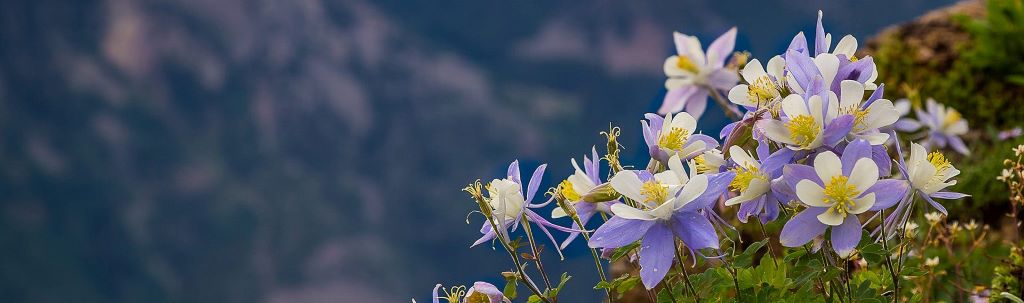
Supporting local wildlife is a rewarding part of gardening. Bees, butterflies, and hummingbirds are essential to plant reproduction. Colorado Blue Columbine, Butterfly Milkweed, and Bee Balm are magnets for pollinators. Diverse flowering plants with staggered bloom periods ensure food availability throughout the season.
According to Xerces Society, incorporating pollinator plants can increase garden productivity by up to 30% due to improved pollination.
Practical Design Tips for Colorado Gardens
Plant placement matters as much as plant selection. Use grouping strategies such as hydrozoning—placing plants with similar water needs together. This improves irrigation efficiency and prevents overwatering.
Also consider elevation and layering. Taller shrubs and perennials provide a backdrop for shorter groundcovers. This not only improves aesthetics but also reduces wind exposure at the soil level.
Drip irrigation systems deliver water directly to the roots and are ideal for Colorado gardens. They reduce evaporation loss and minimize fungal diseases linked to overhead watering.
Proven Plant Examples for Colorado Gardens
Here are a few top-performing, low-maintenance options:
- Rocky Mountain Penstemon: Purple-blue blooms and pollinator-friendly.
- Blue Grama Grass: Colorado’s state grass, drought-resistant and ornamental.
- Rabbitbrush: Yellow fall blooms, supports late-season pollinators.
- Kinnikinnick: Groundcover for shady or north-facing areas.
- Purple Coneflower: Long-lasting summer blooms and deer-resistant.
These plants offer beauty, resilience, and ecological value to any Colorado garden.
FAQs: How to Choose Colorado-Friendly Plants for Your Garden
- What are the best low-maintenance plants for Colorado?
Native perennials like Blue Flax, Yarrow, and Rocky Mountain Columbine require minimal care and thrive in dry conditions. - Can I grow vegetables in Colorado’s climate?
Yes, cool-season crops like kale, lettuce, and radishes perform well. Raised beds help manage soil and temperature. - How do I test my soil type in Colorado?
Perform a simple jar test with water and soil to observe sediment layers. Or send samples to a local extension service. - What does “adaptive plant” mean?
These are non-native species that adjust well to Colorado’s climate and require similar care as native plants. - How often should I water Colorado-friendly plants?
Once established, many only need deep watering every 7–10 days, depending on rainfall and soil type. - Are there plants that can survive Colorado hailstorms?
Yes, tough-leaved species like Russian Sage and ornamental grasses often recover quickly from storm damage. - How can I attract pollinators to my Colorado garden?
Use a mix of native flowers with staggered bloom times, avoid pesticides, and include nesting habitats.
Final Thought
Mastering how to choose Colorado-friendly plants for your garden isn’t just about beauty—it’s about resilience, sustainability, and joy. With thoughtful plant selection and strategic design, your garden can withstand Colorado’s quirks while offering seasonal color, supporting local wildlife, and saving precious water. By embracing native and adaptive species, amending your soil, and designing for sun, wind, and altitude, you’ll build a landscape that thrives year after year.
Read More:
Indoor Play Room: Unleash Fun and Imagination
Sorry, the comment form is closed at this time.