
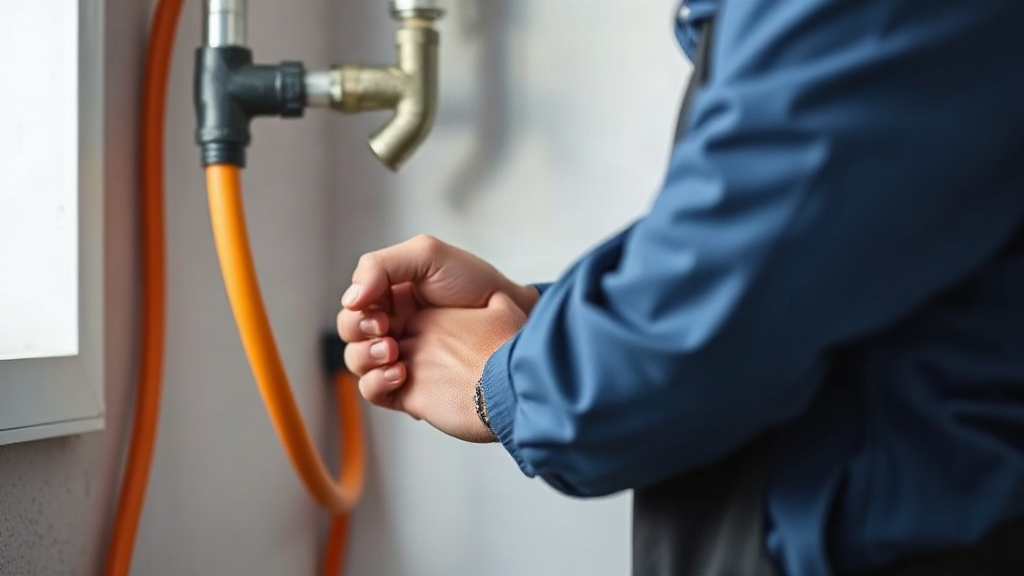
09 Nov Emergency Plumber Near Me: How to Get Fast, Reliable Help When Water Won’t Wait
Water pours through a ceiling at 11 p.m., and your first search is “emergency plumber near me.” You need someone who answers, arrives fast, and charges a fair price.
Quick answer: Call a licensed 24-hour plumber immediately, shut off the water supply if it’s safe, and confirm the call-out fee before anyone leaves for your home. Speed matters most for flooding and gas leaks, while clear pricing protects you from surprise bills.
This guide explains what emergency plumbing covers, why response time matters, and how to hire well under pressure. You’ll also get a checklist of mistakes to avoid and straight answers to the questions homeowners ask most.
What is emergency plumber near me?
Most searches for an “emergency plumber near me” happen at a moment of urgency, so think of the phrase as a two-in-one. It describes an emergency plumbing service and your need for the closest available professional. Together, they mean a licensed tradesperson who handles urgent water, drainage or heating faults at short notice.
Not every plumbing problem qualifies as a true emergency. Some issues can wait until morning. Others get worse by the hour and can cause structural damage. Knowing the difference helps you decide whether to pay emergency rates.
Plumbing problems that count as true emergencies:
- Burst pipes or uncontrolled leaks that are soaking walls, ceilings or floors
- Sewage backing up into sinks, showers or floor drains, which is a health hazard
- No water supply to the whole property, especially in cold weather
- Gas smell or a suspected gas leak, where safety comes before everything else
- A failed water heater that is leaking from the tank itself
Problems that can usually wait for standard hours:
- A single dripping tap or a slow drain
- A running toilet with a visible, simple fix
- A blocked sink that still drains slowly
- A minor leak you have contained with a bucket and towels
When in doubt, describe the problem over the phone. A good plumber will tell you honestly whether it can wait until morning, which saves you the premium rate.
What happens when an emergency plumber arrives
A good emergency plumber follows a predictable process. They isolate the problem, check for hidden damage, explain the repair options, and confirm costs before starting work. Some faults need an immediate fix, such as stopping an active leak. Others can be made safe overnight and repaired properly the next day.
Ask for a clear explanation in plain language. You should know what is broken, what the fix involves, and what it will cost.
Most severe water damage doesn’t come from the initial leak. It builds slowly as water spreads through insulation, plasterboard and flooring, often for hours. Dealing with the source quickly limits how much gets soaked.
Takeaway: call an emergency plumber for active leaks, sewage or gas issues, and whole-home water loss. Save the rest for a planned visit.
Why emergency plumber near me matters
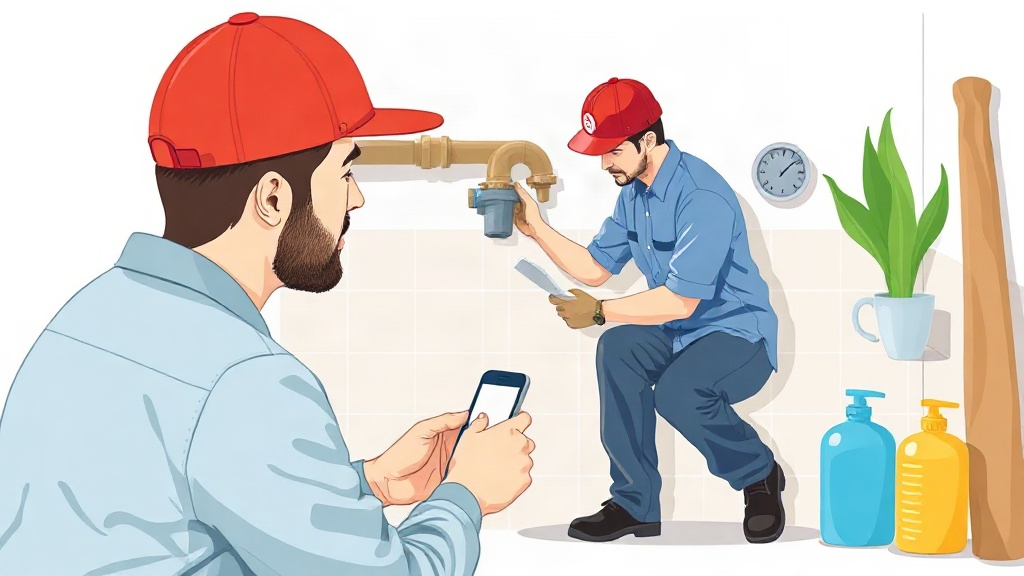
Water damage escalates fast. A pipe leak that loses a steady trickle can soak through a ceiling, warp floorboards and reach electrical fittings. Prompt action protects your home, your health and your wallet.
Consider the hidden risks too. Water seeping behind cabinets encourages mold within a day or two, and damp plaster loses strength long before it visibly sags. In cold spells, a failed heating system can also burst pipes elsewhere in the house, turning one fault into several. Quick attendance keeps small problems from multiplying.
The real cost of waiting
Repair bills rise when a small leak becomes a flooded room. Drying out a soaked floor, replacing damaged plaster and treating damp all add cost on top of the original plumbing repair. The same applies to sewage backups, which spread bacteria and leave persistent odors if ignored.
Insurance adds another angle. Many policies expect you to take reasonable steps to limit damage. If you ignore an obvious leak and let it spread, a claim could be questioned. Calling a plumber quickly supports your claim.
Comparison: called now vs. called tomorrow
| Factor | Fast response | Delayed response |
|---|---|---|
| Active leak | Contained within hours | Water spreads through walls and floors |
| Cost level | Repair plus reasonable call-out fee | Repair plus drying, plaster and flooring |
| Insurance | Damage limited, claim stronger | Extra damage could face scrutiny |
| Safety | Gas or sewage risk removed fast | Health and fire risk grows |
The point is simple. Early action usually costs less in cash terms over a week.
Why “near me” is more than convenience
Local plumbers reach you faster and often carry common parts on their van. They know local pipe materials and stop-valve locations, and they can return easily if a follow-up is needed. A plumber who is 20 minutes away will almost always beat a distant company with a call center.
Safety, comfort and peace of mind
Some faults affect your whole household. Sewage backflow spreads bacteria. A suspected gas leak is a direct fire risk. A failed boiler in winter leaves a home cold and unsafe for vulnerable residents. Clearing these hazards quickly restores safe daily living.
Takeaway: treating a plumbing emergency as a race against spreading damage makes good financial and practical sense.
Best practices
You can do a lot to make the situation go smoothly before and during the call. Here is a practical checklist.
Save the plumber’s number in your phone and note your stop valve’s location on the same contact card. If you rent, check your lease first, because landlords often hold responsibility for emergency repairs and may have a preferred contractor. Tell the plumber if children, pets or elderly residents are in the home, so they can plan for safety and access.
Before you call
- Shut off the water at the main stop valve if you can reach it safely. Stop the flow before anything else.
- Cut the power to any soaked area at the fuse box if water is near sockets or wiring.
- Gather details, such as where the leak is, how long it has run and whether anything is draining.
- Write your address clearly and have a parking plan. Vans carry tools, so clear access matters.
- Move valuables away from water and place towels or buckets to limit spread.
Vetting the plumber
Ask four short questions before anyone leaves for your home:
- Are you licensed and insured?
- What is the call-out fee and hourly rate?
- How long until you arrive?
- Do you charge extra for nights or weekends?
A straightforward professional will answer these without hesitation.
During the visit
Get the diagnosis in plain terms. Ask whether the job is a temporary fix or a full repair. Request a written quote before work begins, and keep the receipt for insurance purposes. Watch for clear labeling and tidy work.
If you smell gas, leave the building and call your gas emergency line before calling a plumber. Never touch wiring in a wet area. These situations follow a different order of steps than a simple leak.
Takeaway: know your stop valve, prepare clear information, and ask about fees before agreeing to work.
Common mistakes to avoid
Homeowners under stress often skip checks that later cost them. These are the traps worth sidestepping.
Failing to ask who actually turns up is another common slip. Large lead-generation sites sell your details to subcontractors you have never heard of, so the person at your door may be unknown to the firm you called. Ask whether the plumber is employed directly and request the technician’s name before confirming the booking.
Skipping winter prep is a quieter mistake with a steep price. Unlagged pipes in lofts, garages and external walls freeze and split, then burst as they thaw. A few pounds of insulation and a trickle of water on freezing nights prevent the very emergency you are calling about.
Ignoring small warning signs also costs homeowners dearly. A faint musty smell, a discolored ceiling patch or a water meter that ticks over with every tap closed often signals a hidden leak. Mention these details during the call so the plumber arrives with the right tools.
Hiring the first number in a panic
A rushed choice can mean a lower-quality repair. Read a few reviews, check licensing and confirm pricing. Even two minutes of checking improves the odds of a fair outcome.
Ignoring the estimate
Some plumbers quote a small figure on the phone and inflate it on arrival. Ask for the full cost breakdown before work starts, including parts and call-out fees.
Waiting for daylight
Small leaks become big ones overnight. If the flow is active or sewage is involved, call sooner. Delay rarely saves money in these cases.
Comparison: temporary fix vs. full repair
| Option | Cost pattern | Best used for |
|---|---|---|
| Temporary fix | Lower today | Making a fault safe until a planned repair |
| Full repair | Higher upfront | Faults that will recur without complete work |
Choose temporary measures only when the plumber explains why a full repair can safely wait.
Not shutting the water off
Many homeowners hesitate to touch the stop valve. Learning its location and how to turn it is one of the most valuable skills in a home emergency. It can save thousands in water damage.
Forgetting documentation
Photographs of damage, written quotes and receipts strengthen insurance claims. Keep them together in one folder.
Takeaway: pause, check credentials, confirm pricing and control the water yourself. Small checks protect against big bills.
FAQ
How much does an emergency plumber near me usually cost?
Costs vary widely by area and problem type. Expect a higher call-out charge than standard hours, often including a minimum fee, plus parts and labor. Get the full figure before work begins.
Can an emergency plumber fix a burst pipe at night?
Yes, most 24-hour plumbers handle burst pipes at any hour. They typically isolate the leak, make a temporary repair and return in daylight if a full replacement is needed. Ask about the night rate first.
Should I shut off my water before the plumber arrives?
Yes, if the leak is active and you can reach the stop valve safely. Shutting it off limits the damage while you wait. Leave the gas and electricity alone if you are unsure how to proceed.
Is a dripping tap an emergency?
Generally no. A slow drip can wait for a standard appointment, since the water loss is minimal. A tap that is spraying water or a pipe that has failed is a different matter and needs fast attention.
What happens if I cause more damage before the plumber arrives?
Take reasonable steps to limit damage, such as shutting off water and using towels. Most insurers expect this. Keep receipts for any emergency supplies you buy.
Licensing and emergency call-out rules differ between countries and states. Confirm what local regulations require for your area before hiring.
Conclusion
A flooded kitchen or a strong gas smell runs on its own clock, so the right response is a short, calm sequence. Find your stop valve, limit the damage, and call a licensed plumber who confirms pricing before leaving for your home. Emergencies mean active leaks, sewage, gas or whole-home water loss. Most other faults can wait.
Keep a short list of trusted local plumbers ready before you ever need one. Check licensing, ask for a clear quote and keep records for insurance. Preparing today makes tomorrow’s search for an emergency plumber near me far less stressful.
Sorry, the comment form is closed at this time.