
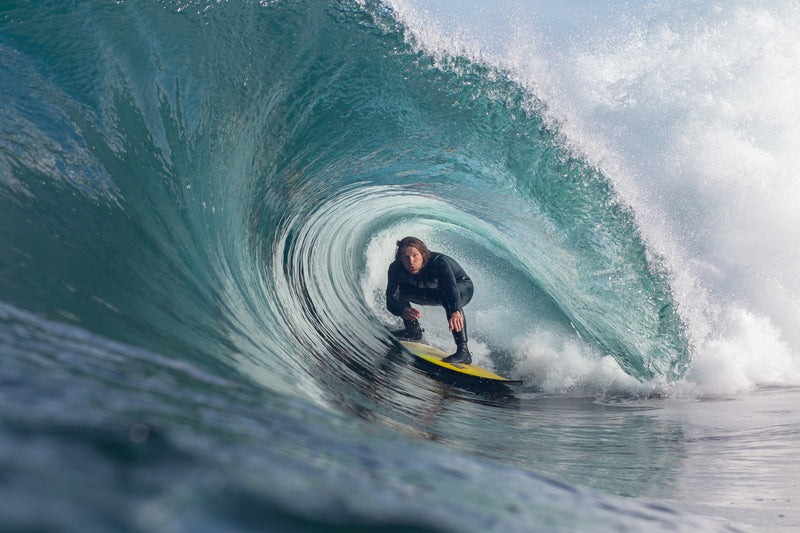
24 Jun Big Wave Surfing: What It Takes to Ride the Giants
Big wave surfing is more than a sport—it’s a full-on mental and physical war against nature’s most powerful forces. For those chasing these towering walls of water, it’s not just about skill. It’s about survival, strategy, preparation, and a mindset that thrives in chaos. But what does it actually take to ride the giants?
Understanding Big Wave Surfing
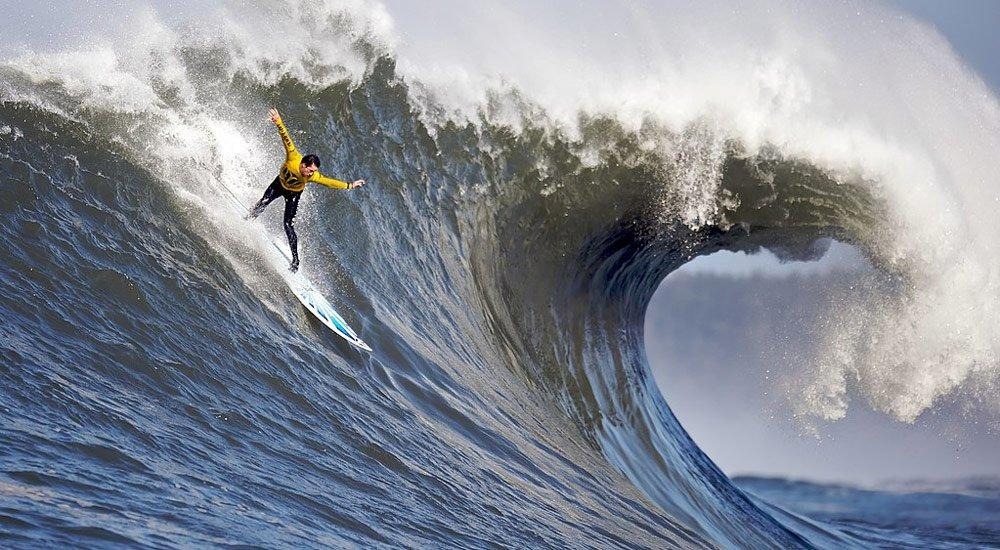
Big wave surfing refers to riding waves of 20 feet or higher, often found in locations like Nazaré, Portugal; Jaws in Maui; and Mavericks in California. These aren’t your average beach waves. These monstrous swells pack enormous power, capable of crushing a human body or dragging a surfer underwater for minutes.
According to the World Surf League, a wave must be at least 20 feet (measured from the back) to qualify as a “big wave” in official competitions. However, that doesn’t capture the whole picture. Wave faces can reach 60 to 100 feet, generating forces equivalent to a car crash.
The Physical Demands of Surfing Giants
Riding these waves requires extreme physical conditioning. Big wave surfers often train like elite athletes. Strength, flexibility, and cardiovascular fitness are essential. Surfers like Laird Hamilton and Kai Lenny follow rigorous routines combining swimming, apnea training, weightlifting, and endurance drills.
Holding your breath for minutes isn’t optional—it’s mandatory. A two-wave hold-down could leave a surfer underwater for over a minute. Freediving and CO2 tolerance exercises help train the lungs and nervous system to remain calm under immense stress.
In fact, elite big wave surfers can hold their breath for over 4 minutes. This isn’t natural—it’s the result of structured breath-hold training, as endorsed by professionals like Mark Visser, who teaches breath-control programs for survival in heavy surf conditions.
Mental Fortitude: The X-Factor
You can’t measure courage with a stopwatch, but it might be the most important tool in a surfer’s arsenal. Big wave surfing demands extraordinary mental strength. Fear is not eliminated—it’s managed. The ocean’s raw power can create panic, and that’s when mistakes become fatal.
Surfer Greg Long, a survivor of a near-death wipeout at Cortes Bank, emphasized in interviews that success in big waves starts with humility. Understanding your limits and respecting the ocean prevents recklessness. As he put it, “If you’re not scared, you don’t belong out there.”
Visualization and mental rehearsal are part of the psychological toolkit. Athletes often spend hours imagining every detail of their rides—waves breaking, falling, surviving—because mental preparedness often spells the difference between triumph and tragedy.
The Role of Technology and Safety Gear
Modern big wave surfing owes much to advances in safety gear. Inflatable vests, introduced in the early 2010s, allow surfers to surface quickly after a wipeout. Jet ski rescues are another game-changer. At places like Nazaré, where waves crash just yards from deadly cliffs, tow-in surfing and immediate rescue are vital.
Boards are no longer simple fiberglass crafts. They’re engineered for speed, stability, and paddling power. A typical big wave board, often called a “gun,” is longer (10 feet or more), heavier, and shaped for control at high speed.
In addition, surfers now rely on GPS, wave forecasts, and drone surveillance to understand incoming swells better than ever.
Legendary Locations and Why They Matter
Big wave spots are not randomly chosen—they’re shaped by unique underwater topography. For instance:
- Nazaré, Portugal has a deep-water canyon that funnels Atlantic swells into skyscraper-sized waves.
- Jaws (Peʻahi), Hawaii produces ultra-steep waves due to its reef break.
- Mavericks, California features a rock reef that creates deadly peaks just off the coast.
Each location has its own rhythm, dangers, and legends. Surfers often spend years studying a single break before attempting a serious ride. It’s not just about riding the wave—it’s about knowing when, where, and how.
Community, Camaraderie, and Culture
Despite the solo nature of surfing, the big wave community is tight-knit. Safety requires teamwork. Jet ski operators, spotters, and photographers all play crucial roles. Surfers depend on one another for rescues and survival.
This culture fosters mutual respect. It’s common for veterans to mentor younger riders. The stakes are too high for ego. Events like the Eddie Aikau Invitational in Hawaii celebrate not just performance, but spirit, bravery, and honor.
Big Wave Competitions: More Than Just Glory
Competitive big wave surfing is rare because conditions must align perfectly—something that may only happen a few times a year. Events like the Big Wave Tour by WSL are often put on standby until nature cooperates.
Judging criteria include:
- Wave size
- Commitment
- Control
- Completion of ride
Prize money is secondary. For most competitors, the goal is mastery and respect. They’re not chasing trophies; they’re chasing a once-in-a-lifetime wave.
Controversies and Environmental Concerns
While thrilling, big wave surfing faces criticism. Tow-in surfing, for example, introduces noise and pollution via jet skis in fragile marine ecosystems. Local communities sometimes express concern about overcrowding and cultural disrespect.
Additionally, climate change alters ocean behavior. Warmer oceans may create stronger storms, potentially increasing wave size. However, this also destabilizes known patterns, making forecasting harder and risks less predictable.
Read More Also: The Pros and Cons of Water Pillows
Frequently Asked Questions
Is big wave surfing only for professionals?
No, but it requires years of experience. Amateurs should never attempt it without proper training and safety protocols.
How tall is the biggest wave ever surfed?
In 2020, António Laureano surfed a wave estimated at 101.4 feet at Nazaré, though not officially confirmed by Guinness.
What is a two-wave hold-down?
This occurs when a surfer wipes out and remains underwater as another wave crashes overhead, increasing risk of drowning.
Can anyone learn breath-hold techniques?
Yes. With guided training, most people can significantly improve breath-hold duration, enhancing safety in water sports.
What’s the difference between paddle-in and tow-in surfing?
Paddle-in relies on the surfer’s arm strength to catch the wave. Tow-in uses a jet ski to place surfers on faster, bigger waves.
What makes a location ideal for big waves?
Factors include underwater topography, deep-water channels, and exposure to long-range swell energy.
Is big wave surfing recognized in the Olympics?
Currently, surfing is included, but only smaller wave formats. Big wave surfing remains outside the Olympic structure.
Read More Also: How to Replace a Vacuum Belt
Final Thought
Big wave surfing is not just a test of physical strength—it’s a crucible of character, strategy, and sheer willpower. Those who chase these giants aren’t thrill-seekers—they’re craftsmen sculpting moments in nature’s fiercest theater. As waves grow taller and technology pushes limits, one thing remains constant: the raw, unfiltered truth that riding giants demands everything you’ve got. Not just your body, but your soul.
Sorry, the comment form is closed at this time.