
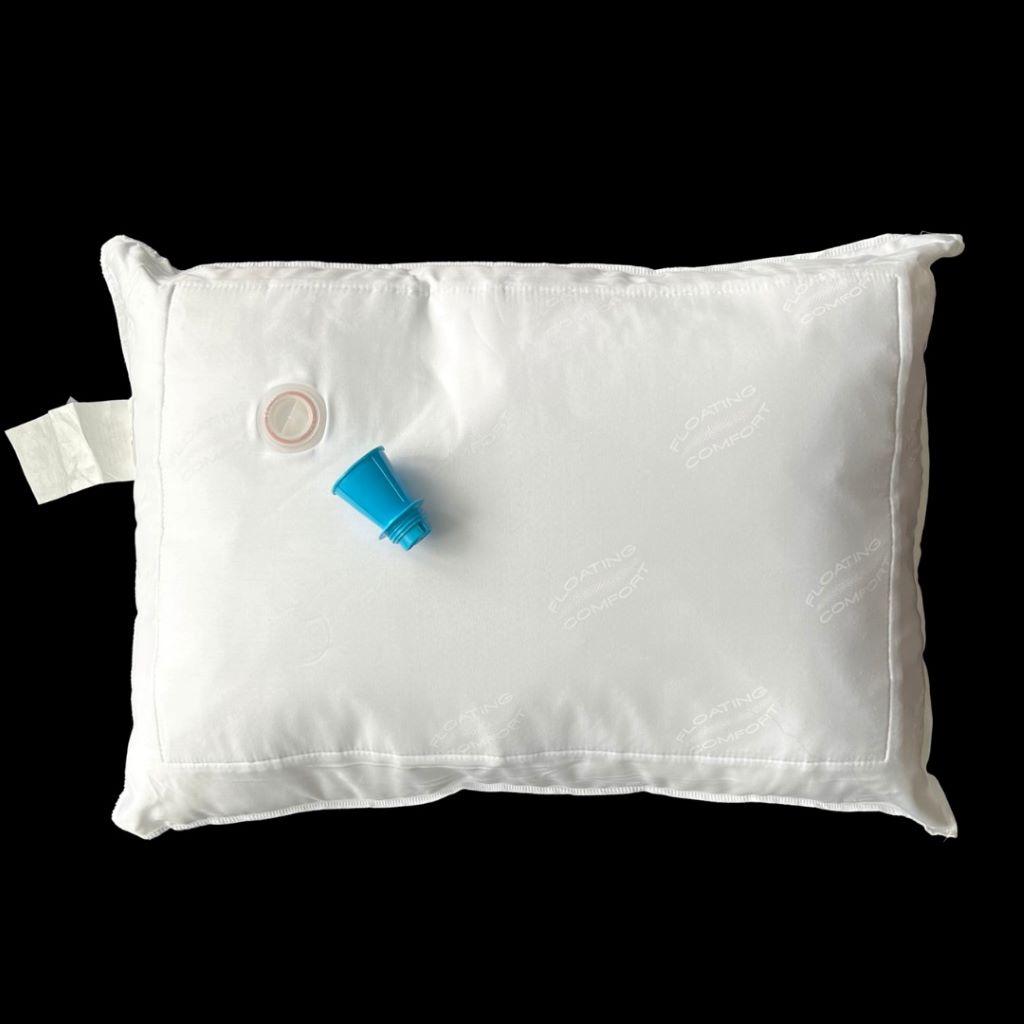
23 Jun The Pros and Cons of Water Pillows: What You Need to Know Before You Buy
A good night’s sleep is a cornerstone of overall health, and the pillow you use plays a major role in achieving that. Among the many pillow types on the market, water pillows have gained popularity for their adjustable support and therapeutic benefits. But are they really the miracle sleep solution they claim to be, or are there hidden drawbacks that most people don’t consider? In this article, we’ll break down the pros and cons of water pillows to help you make an informed decision before buying.
What Are Water Pillows?
Water pillows contain a sealed water chamber that sits beneath a layer of polyester fiber or memory foam. Users fill the chamber to their desired firmness, allowing for customized support. This design originated as a therapeutic option for those suffering from chronic neck and shoulder pain, but its popularity has spread to mainstream sleep markets.
According to a Johns Hopkins study, water-based pillows significantly reduced neck pain in users over a period of five weeks. That’s just one reason why people are turning their attention to this innovative bedding product.
The Pros of Water Pillows
-
Customizable Support
One of the strongest selling points of water pillows is the ability to adjust firmness. By simply adding or removing water, users can tailor the pillow to their preferred level of support.
Unlike traditional pillows that lose shape over time, water pillows retain their firmness without clumping or flattening. Chiropractors often recommend them because they align the cervical spine more effectively.
-
Excellent Neck and Head Support
Proper spinal alignment is crucial for preventing discomfort. Water pillows adapt to the shape of your neck and head, which helps relieve pressure points.
A study published in the Journal of Pain Research found that personalized support in pillows can significantly reduce morning stiffness and pain. Water pillows offer this kind of support naturally, making them suitable for those with arthritis or chronic tension headaches.
-
Stability Throughout the Night
Water pillows are known for their stability. They move less than feather or foam pillows because of the water chamber’s density.
This stability ensures your head remains in one position, reducing tossing and turning. People suffering from insomnia or restless leg syndrome often find this feature particularly beneficial.
-
Long-Term Durability
Water pillows can outlast traditional pillows by several years. The internal chamber doesn’t break down like foam or lose shape like polyester.
High-quality water pillows like the Mediflow model, which has been endorsed by over 5 million users worldwide, tend to last between three and five years with proper care.
-
Cooling Effect
Because water remains cooler than most filling materials, these pillows tend to offer a refreshing surface for hot sleepers.
In warmer climates or for those dealing with night sweats, this feature can improve sleep quality dramatically. It adds another layer of comfort that synthetic materials often fail to deliver.
The Cons of Water Pillows
-
Heavier Than Traditional Pillows
A fully filled water pillow can weigh between 7 to 10 pounds. This added weight makes them less portable and harder to adjust during the night.
For elderly users or those with physical limitations, moving a water pillow can be cumbersome. Some travelers also find them impractical for frequent packing.
-
Risk of Leaks
Although rare in high-end models, cheaper versions are prone to leakage. A small puncture can lead to soggy bedding and disrupted sleep.
Over time, the internal bladder may degrade, especially if exposed to excessive pressure or low-quality water. Using distilled water and regular checks can mitigate this risk.
-
Initial Setup Can Be Tedious
Filling a water pillow to the right level requires trial and error. Too much water can make it feel hard and unyielding, while too little may offer inadequate support.
Manufacturers provide guides, but achieving the right balance is subjective and takes patience. For new users, this process may seem like a hassle.
-
Noisy Movement
Some users report a slight sloshing sound when shifting positions. While not disruptive to everyone, light sleepers may find it distracting.
This problem is more common in cheaper water pillows with thinner chambers. Investing in a premium model with baffling or inner linings can help dampen the sound.
-
Higher Initial Cost
Water pillows generally cost more than standard polyester or foam pillows. A quality model ranges between $40 and $80.
However, considering their durability and health benefits, many users view them as a long-term investment in better sleep.
Real-World Opinions and Reviews
Consumers on platforms like Amazon and SleepFoundation.org frequently praise water pillows for alleviating neck stiffness. One user wrote: “After years of waking up with tension headaches, this pillow changed everything for me.”
On the flip side, others mention the inconvenience of refilling or the occasional leak. These mixed reviews show that while water pillows work wonders for some, they aren’t universally ideal.
Experts agree. Dr. Michael Breus, known as “The Sleep Doctor,” recommends water pillows for chronic pain sufferers but notes they may not suit everyone’s preferences.
FAQs
- Are water pillows good for side sleepers?
Yes. They provide contouring support that aligns the spine, which is especially beneficial for side sleepers. - Do water pillows help with snoring?
They can. Proper head elevation and neck support may open airways and reduce snoring in some individuals. - How do I clean a water pillow?
Clean the outer casing like any other pillow. Refill with distilled water every 6-12 months to avoid bacterial buildup. - Can children use water pillows?
Yes, but choose smaller sizes and ensure they are properly filled to avoid being too firm or too heavy. - How long do water pillows last?
With proper maintenance, they can last up to five years—significantly longer than most standard pillows. - Are water pillows worth the price?
For those with neck pain or who struggle to find comfortable sleep, yes. They offer high value for the cost. - What is the best water pillow on the market?
Mediflow consistently ranks at the top due to its quality materials and patented waterbase technology.
Final Thought: Should You Invest in a Water Pillow?
Deciding whether to buy a water pillow depends on your specific sleep needs. If you suffer from chronic neck pain, need customizable firmness, or want better spinal alignment, a water pillow could be a game-changer.
However, for those who prioritize lightweight, noise-free bedding or have a tight budget, the cons may outweigh the benefits. Still, the pros and cons of water pillows show that with careful selection and maintenance, they offer a compelling alternative to conventional pillows.
For those serious about upgrading their sleep game, water pillows deserve strong consideration. The right choice might be the difference between restless nights and truly restorative sleep.
Read More:
How to motivate yourself to get out of bed? motivate steps
Sorry, the comment form is closed at this time.