

14 Aug DIY Engine Bay Cleaning and Detailing for Safety
Keeping your car’s engine bay clean is more than just about looks. A well-maintained engine compartment helps prevent fires, improves performance, and makes repairs easier. Many car owners overlook this crucial maintenance task, yet it plays a vital role in vehicle safety and longevity. Automotive Smart Solutions emphasizes that regular engine bay cleaning should be part of every car owner’s maintenance routine.
Regular engine cleaning offers multiple benefits beyond appearance. Clean engines run cooler because dirt and grime act as insulation, trapping heat around critical components. Additionally, a clean engine bay makes it easier to spot leaks, worn belts, and other potential problems before they become expensive repairs. When you understand the basics of do-it-yourself auto repairs cars maintenance, engine bay cleaning becomes an essential skill that saves money and prevents dangerous situations.
Furthermore, fire prevention represents the most critical safety aspect of engine bay cleaning. Oil, grease, and debris can accumulate on hot engine components, creating fire hazards. However, with proper cleaning techniques and safety precautions, you can eliminate these risks while maintaining your vehicle’s reliability and performance.
Essential Safety Preparations
Before starting any engine bay cleaning project, safety must come first. Never clean a hot engine, as rapid temperature changes can crack engine blocks and damage seals. Therefore, allow your engine to cool completely, ideally for at least two hours after driving. This cooling period prevents burns and protects sensitive components from thermal shock.
Additionally, disconnect the negative battery cable to prevent electrical shorts during cleaning. Cover sensitive electrical components like the alternator, fuse box, and air intake with plastic bags secured with rubber bands. Moreover, remove any loose debris by hand before applying water or cleaning products. These preliminary steps prevent damage and ensure a safe cleaning process.
Choosing the Right Cleaning Products
Selecting appropriate cleaning products makes the difference between effective cleaning and potential damage. Avoid harsh chemicals like bleach or household cleaners that can damage rubber seals and plastic components. Instead, use specialized engine degreasers designed for automotive applications. These products effectively break down oil and grease without harming engine components.
Water-based degreasers work well for light cleaning, while solvent-based products tackle heavy buildup more effectively. However, always read product labels and follow manufacturer instructions. Some degreasers require dilution, while others come ready to use. Therefore, understanding your specific cleaning needs helps you choose the most appropriate product for your situation.
Step-by-Step Cleaning Process
Start the cleaning process by applying degreaser to the dirtiest areas first, typically around the valve covers and oil pan. Work systematically from top to bottom, allowing the degreaser to penetrate stubborn grime for the recommended time. Most products require 5-10 minutes of dwell time for maximum effectiveness.
Next, use a soft brush to agitate heavily soiled areas, being careful around delicate components like sensors and wiring harnesses. Additionally, pay special attention to areas where oil leaks commonly occur, such as gasket interfaces and drain plug areas. These spots often harbor the most dangerous accumulations of flammable materials.
Following the brushing stage, rinse thoroughly with low-pressure water. High-pressure washing can force water into sensitive areas and damage electrical connections. Therefore, use a garden hose with a spray nozzle set to a gentle setting. Work from top to bottom again, ensuring complete removal of all cleaning products and loosened debris.
Drying and Detailing Techniques
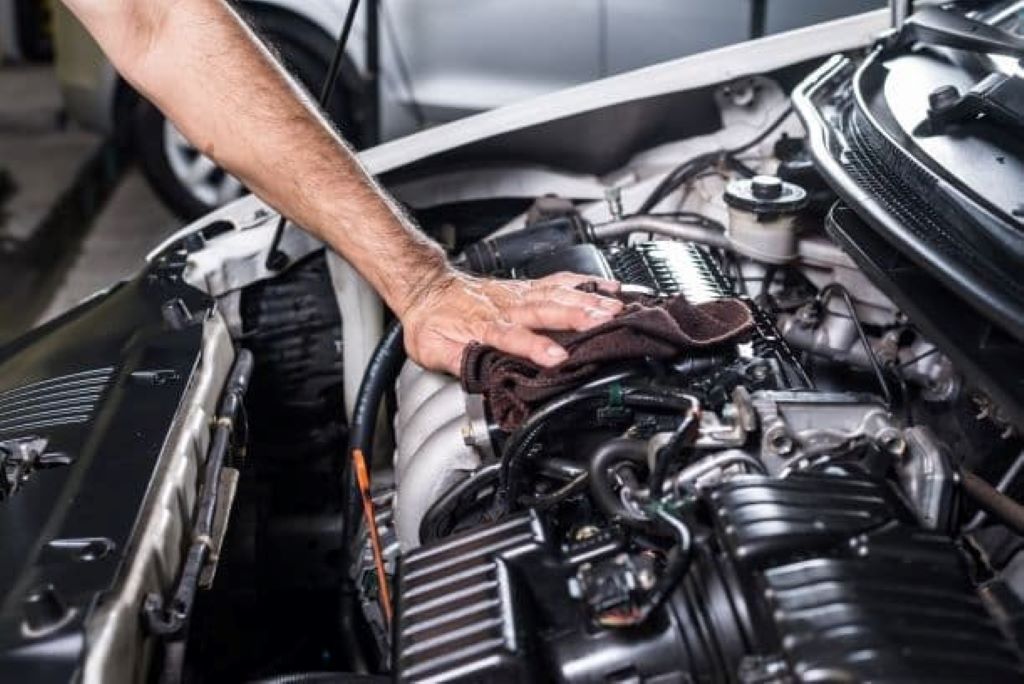
Proper drying prevents water spots and corrosion while revealing areas that need additional attention. Use compressed air to blow water from crevices and electrical connections, followed by clean microfiber towels for accessible surfaces. However, avoid wiping sensitive components that might be damaged by cloth fibers.
After thorough drying, apply appropriate protectants to rubber and plastic components. Specialized engine bay dressings restore appearance while providing UV protection. Additionally, these products help repel dirt and make future cleaning easier. Nevertheless, avoid getting protectants on belts or pulleys, as this creates slip hazards.
Common Mistakes to Avoid
Many DIY enthusiasts make preventable mistakes that can cause expensive damage. Never use a pressure washer directly on the engine bay, as high pressure can force water into sensitive areas and damage seals. According to Consumer Reports, improper cleaning techniques cause more damage than dirty engines themselves.
Moreover, avoid cleaning with the engine running, despite what some online tutorials suggest. This practice creates serious safety risks and can damage the air intake system. Therefore, always clean cold engines with adequate preparation and proper safety measures in place.
Maintenance Schedule and Best Practices
Establish a regular cleaning schedule based on your driving conditions and environment. Urban drivers dealing with heavy traffic and pollution should clean their engine bays every six months. However, those in dusty or industrial areas may need more frequent cleaning. Additionally, inspect your engine bay monthly for leaks, debris, and unusual accumulations that require immediate attention.
Keep detailed records of your cleaning activities and any issues discovered during the process. This documentation helps track recurring problems and provides valuable information for professional mechanics when repairs become necessary. Furthermore, regular cleaning makes it easier to spot changes in your engine’s condition over time.
Professional vs. DIY Considerations
While engine bay cleaning is generally safe for DIY enthusiasts, certain situations require professional attention. Engines with significant oil leaks should be repaired before cleaning to prevent environmental contamination and fire hazards. Additionally, vehicles with complex turbocharging systems or hybrid powertrains may need specialized knowledge and equipment.
However, most conventional engines benefit greatly from careful DIY maintenance. The skills learned during engine bay cleaning translate to better overall car care and increased mechanical awareness. Therefore, this maintenance task serves as an excellent introduction to more advanced automotive care techniques.
Conclusion
DIY engine bay cleaning and detailing represents a crucial safety practice that every car owner should master. Regular cleaning prevents fires, improves engine performance, and makes mechanical problems easier to detect early. Additionally, proper cleaning techniques protect sensitive components while maintaining your vehicle’s reliability and appearance.
The investment in time and basic cleaning supplies pays dividends in improved safety, performance, and vehicle longevity. However, success depends on using proper techniques, appropriate products, and adequate safety precautions. Therefore, approach engine bay cleaning as an essential maintenance task that contributes significantly to your vehicle’s overall health and your safety on the road.
Frequently Asked Questions
How often should I clean my engine bay? Most vehicles benefit from engine bay cleaning every six months, though dusty or industrial environments may require more frequent attention. Additionally, clean immediately after any significant oil leaks or fluid spills to prevent fire hazards.
Can I use a pressure washer on my engine bay? Avoid pressure washers for engine bay cleaning, as high pressure can damage seals and force water into sensitive electrical components. Instead, use a garden hose with a gentle spray setting for safe and effective rinsing.
What should I do if water gets into electrical connections? If water enters electrical connections, use compressed air to blow out moisture and allow complete drying before reconnecting the battery. However, if electrical problems persist, consult a professional mechanic immediately.
Is it safe to clean the engine while it’s warm? Never clean a warm or hot engine, as rapid temperature changes can crack engine blocks and damage seals. Always allow the engine to cool completely for at least two hours before starting any cleaning process.
What’s the best degreaser for heavy buildup? Solvent-based automotive degreasers work best for heavy oil and grease buildup, while water-based products handle light cleaning effectively. Therefore, choose products specifically designed for automotive applications rather than household cleaners.
Read More:
Top 7 Label Makers for Office Organization in 2025
Sorry, the comment form is closed at this time.