
02 Oct Potential Drawbacks of Reverse Gear Luffy
The world of One Piece continues to captivate millions of fans globally with its innovative power systems and character developments. Among the most discussed topics recently is the concept of reverse gear luffy, a theoretical transformation that has sparked countless debates within the anime community. While Trends Magazine and other platforms have explored various aspects of Luffy’s abilities, it’s essential to examine the potential limitations and drawbacks of this hypothetical power-up. Understanding these challenges helps fans appreciate the complexity of power scaling in the series.
Understanding the Concept Behind This Transformation
Before diving into the drawbacks, we need to establish what this potential ability might entail. The reverse gear luffy concept suggests a transformation that works inversely to his current Gear techniques. Instead of amplifying power through expansion or compression, this theoretical form might involve condensing energy or reversing certain physical properties. However, such a radical departure from established mechanics introduces several complications that could limit its practical application.
The fundamental problem lies in how this ability would interact with Luffy’s existing power system. Throughout the series, his Gear transformations have followed a logical progression based on his rubber body and Haki mastery. A reverse mechanism might contradict the established rules of Devil Fruit physics. This inconsistency could create narrative complications that weaken the overall storytelling structure.
Physical Strain and Energy Depletion
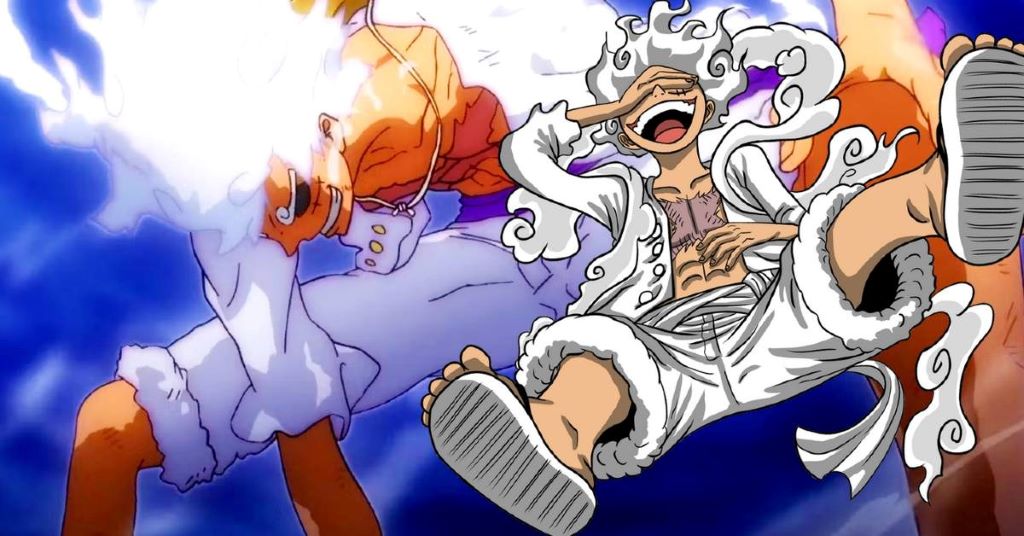
One of the most significant drawbacks of reverse gear luffy would likely be the immense physical toll on his body. Current Gear transformations already push Luffy to his limits, with Gear Fourth causing temporary exhaustion and Gear Fifth draining his life force. A reverse transformation might amplify these negative effects exponentially. The body could struggle to adapt to inverted energy flow patterns, potentially causing internal damage.
Energy consumption presents another major concern. If this theoretical form requires condensing or reversing natural processes, it might demand more stamina than any previous transformation. Luffy would face a dangerous trade-off between power output and sustainability. In prolonged battles against top-tier opponents, this limitation could prove fatal. The risk of complete energy depletion mid-fight would make this ability unreliable in critical situations.
Recovery time after using such a technique could extend far beyond current limitations. While Gear Fourth requires a ten-minute cooldown, reverse gear luffy might necessitate hours or even days of rest. This extended vulnerability would leave Luffy defenseless when his crew needs him most. Strategic opponents could exploit this weakness by forcing him to use the transformation prematurely.
Strategic Limitations in Combat Scenarios
Combat versatility would suffer significantly under this theoretical power system. Luffy’s strength lies in his adaptability and creative application of abilities during fights. A reverse transformation might lock him into specific attack patterns or defensive stances. This rigidity would make him predictable to intelligent enemies who could develop effective countermeasures.
The activation requirements could pose serious tactical problems. If reverse gear luffy demands specific conditions or lengthy preparation time, it becomes impractical for spontaneous combat situations. Luffy often finds himself in unpredictable battles where quick reactions determine survival. A transformation with strict prerequisites would limit his response options during critical moments.
Target selection becomes problematic when considering how this ability might function. Perhaps reverse gear luffy only works effectively against certain opponent types or power levels. This specificity would reduce its overall utility compared to more versatile forms like Gear Fifth. Facing diverse enemy groups would force Luffy to constantly switch between forms, creating openings for coordinated attacks.
Impact on Character Development and Story Progression
From a narrative perspective, introducing reverse gear luffy could undermine Luffy’s character growth journey. His development throughout One Piece has emphasized mastering existing abilities rather than constantly acquiring new powers. Adding another transformation might suggest he’s taking shortcuts instead of refining his current skill set. This approach contradicts the series’ themes about dedication and perseverance.
The power scaling issues become increasingly problematic as new abilities emerge. One Piece has carefully balanced strength levels across different character tiers. A reverse transformation could disrupt this equilibrium by making Luffy either too powerful or introducing artificial weaknesses to maintain balance. Either outcome would damage the story’s internal consistency and fan satisfaction.
Thematic coherence suffers when powers don’t align with character philosophy. Luffy’s abilities have always reflected his straightforward, honest personality. A reverse mechanism might introduce complexity that feels out of character. Fans connect with Luffy because of his direct approach to challenges. Overly complicated powers could alienate the audience by diluting what makes him relatable.
Technical Complications with Existing Power Systems
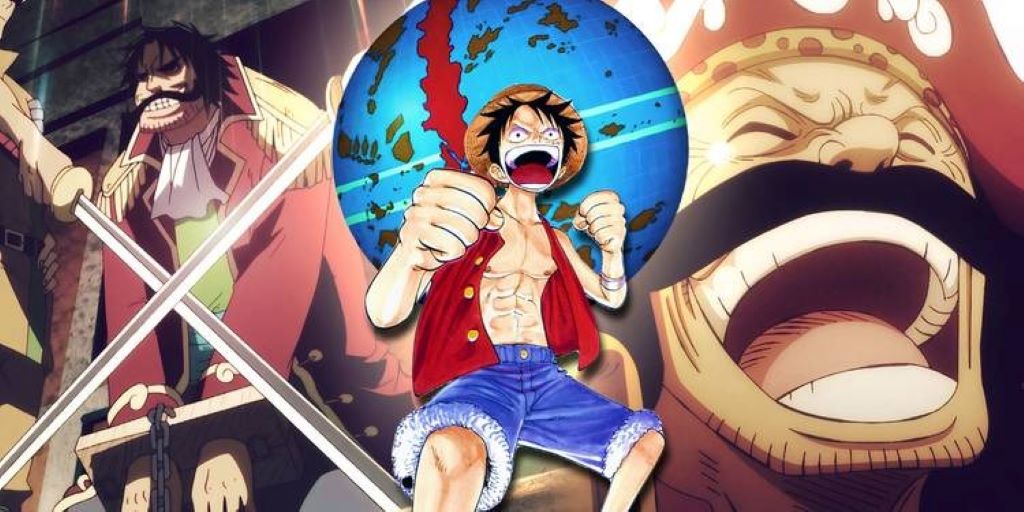
Integration with Haki presents numerous technical challenges. Luffy has spent years mastering Armament, Observation, and Conqueror’s Haki alongside his Devil Fruit abilities. Reverse gear luffy might conflict with these established power systems, creating contradictions in how energy flows through his body. Coordinating multiple complex abilities simultaneously could prove cognitively overwhelming during intense battles.
Devil Fruit mechanics have specific rules that govern transformation limits. Introducing a reverse concept might violate fundamental principles established throughout the series. The Gomu Gomu no Mi, now revealed as the Hito Hito no Mi Model Nika, operates on specific mythological properties. A reverse transformation might not align with the Sun God Nika’s characteristics, creating logical inconsistencies that undermine worldbuilding.
Compatibility with awakening abilities raises additional questions. Gear Fifth represents Luffy’s Devil Fruit awakening, granting him reality-bending cartoon physics. How would reverse gear luffy interact with this already peak-level power? Stacking transformations might create paradoxes or cancel out existing benefits. The complexity could make the power system incomprehensible to casual viewers.
Risk of Overcomplication and Fan Reception
Audience comprehension becomes challenging when power systems grow too convoluted. One Piece already features intricate mechanics with Haki types, Devil Fruit categories, and various fighting styles. Adding reverse gear luffy increases cognitive load for viewers trying to follow battle dynamics. Simplicity often serves storytelling better than excessive complexity, especially in action sequences.
The novelty factor diminishes rapidly with each new transformation. When Gear Second debuted, it revolutionized how fans perceived Luffy’s potential. However, subsequent forms have generated progressively less excitement as audiences become desensitized. Reverse gear luffy might feel like an unnecessary addition rather than a meaningful evolution. Innovation requires more than just adding new labels to existing concepts.
Marketing and merchandising considerations also influence creative decisions. Each new form generates toy sales and promotional content, but oversaturation can fatigue the market. Fans might perceive reverse gear luffy as a commercial cash grab rather than genuine narrative necessity. This cynicism could damage the franchise’s reputation and reduce long-term engagement.
Conclusion
While the concept of reverse gear luffy sparks fascinating discussions within the One Piece community, the potential drawbacks significantly outweigh hypothetical benefits. Physical strain, strategic limitations, narrative complications, technical inconsistencies, and audience reception concerns all present substantial obstacles. The transformation could compromise Luffy’s character development while disrupting carefully balanced power systems. Rather than constantly adding new abilities, focusing on mastering existing powers would better serve both character growth and storytelling integrity. The series has thrived by emphasizing creativity within established rules, and maintaining this approach will likely yield more satisfying results than introducing problematic new mechanics.
Frequently Asked Questions
What exactly is reverse gear luffy?
Reverse gear luffy is a theoretical transformation concept discussed by fans, suggesting an ability that works inversely to Luffy’s current Gear techniques. However, this remains purely speculative and has not appeared in the official One Piece manga or anime. The concept explores what might happen if Luffy’s powers operated through reversal or inversion rather than amplification.
Would reverse gear luffy be stronger than Gear Fifth?
This remains impossible to determine since reverse gear luffy doesn’t officially exist. However, Gear Fifth represents Luffy’s Devil Fruit awakening and embodies the peak of his current abilities. Any hypothetical transformation would need to overcome significant logical and narrative hurdles to surpass this already godlike power level without breaking the story’s internal consistency.
Has Eiichiro Oda mentioned reverse gear luffy in interviews?
No, series creator Eiichiro Oda has not discussed or confirmed any plans for a reverse gear transformation. Most discussions about this concept originate from fan theories and speculation within the community. Oda typically keeps future power developments secret to maintain surprise and dramatic impact.
Could reverse gear luffy appear in future chapters?
While anything is theoretically possible in ongoing manga, the likelihood seems low given the narrative and technical complications discussed above. Oda has demonstrated preference for deepening existing abilities rather than continuously stacking new transformations. Future developments will more likely explore Gear Fifth’s full potential and applications.
What are the main problems with introducing reverse gear luffy?
The primary issues include excessive physical strain, strategic inflexibility, narrative disruption, technical incompatibility with existing power systems, and potential negative fan reception. Additionally, it could undermine character development themes and overcomplicate an already intricate power structure. These drawbacks suggest that such a transformation might damage the series rather than enhance it.
Read More:
What Is Upload Season 2, And Why Are We Celebrating It?
Sorry, the comment form is closed at this time.