
20 Jun Best Climbing Ropes for Playgrounds and Home Use
Children develop strength faster through movement than through instruction alone. A simple climbing activity can engage the entire body while making exercise feel enjoyable. That combination explains why climbing equipment continues growing in popularity across homes, schools, and recreational spaces.
Studies on child development regularly connect active play with stronger motor skills and improved physical confidence. Some experts emphasize structured sports for these benefits. Others support unstructured outdoor play because children often stay engaged longer. Both viewpoints hold value because sustained movement produces better outcomes than occasional intense activity.
Families and educators increasingly choose climbing solutions because they combine physical challenge with creativity. Unlike single-purpose equipment, climbing ropes encourage problem-solving, balance, and endurance simultaneously.
Many parents researching a reliable climbing rope for playground use also look for products that remain durable, safe, and adaptable over time.
Why Climbing Ropes Remain a Popular Choice
Climbing ropes deliver more than entertainment.
Children use their arms, legs, and core muscles together during climbing sessions. This coordinated movement supports full-body engagement.
Many traditional playground elements focus on one movement pattern.
However, ropes encourage multiple actions at once.
Children climb, stabilize, grip, and adjust posture continuously.
Therefore, climbing activities create more varied physical experiences.
Parents also appreciate that climbing ropes require relatively little space.
This flexibility makes them suitable for both indoor and outdoor installations.
Key Features to Look for in the Best Climbing Ropes
Selecting the right climbing rope requires attention to several factors.
Material Quality
Material directly affects safety and lifespan.
Polypropylene ropes resist moisture and weather exposure.
Polyester options maintain shape and handle frequent use.
Natural fiber ropes offer traditional appearance but require more maintenance.
Additionally, thicker rope construction often improves comfort during climbing.
Grip and Texture
Children need secure hand placement.
Overly smooth surfaces may reduce stability.
Moderately textured finishes often improve control.
Better grip supports confidence and reduces hesitation.
Weight Capacity
Every climbing system includes recommended load limits.
Choose options that support future growth and multiple users.
Higher capacities often indicate stronger construction.
However, proper installation remains equally important.
Attachment Strength
Reliable mounting hardware improves stability.
Secure anchors distribute force more effectively during use.
Inspect connectors regularly for continued performance.
Best Types of Climbing Ropes for Playgrounds and Homes
Traditional Vertical Climbing Rope
This classic option encourages upper-body development.
Children improve grip strength and body control.
These ropes fit compact spaces and support independent play.
Advantages include:
- Minimal space requirements
- Simple installation
- Strong fitness benefits
- Flexible placement options
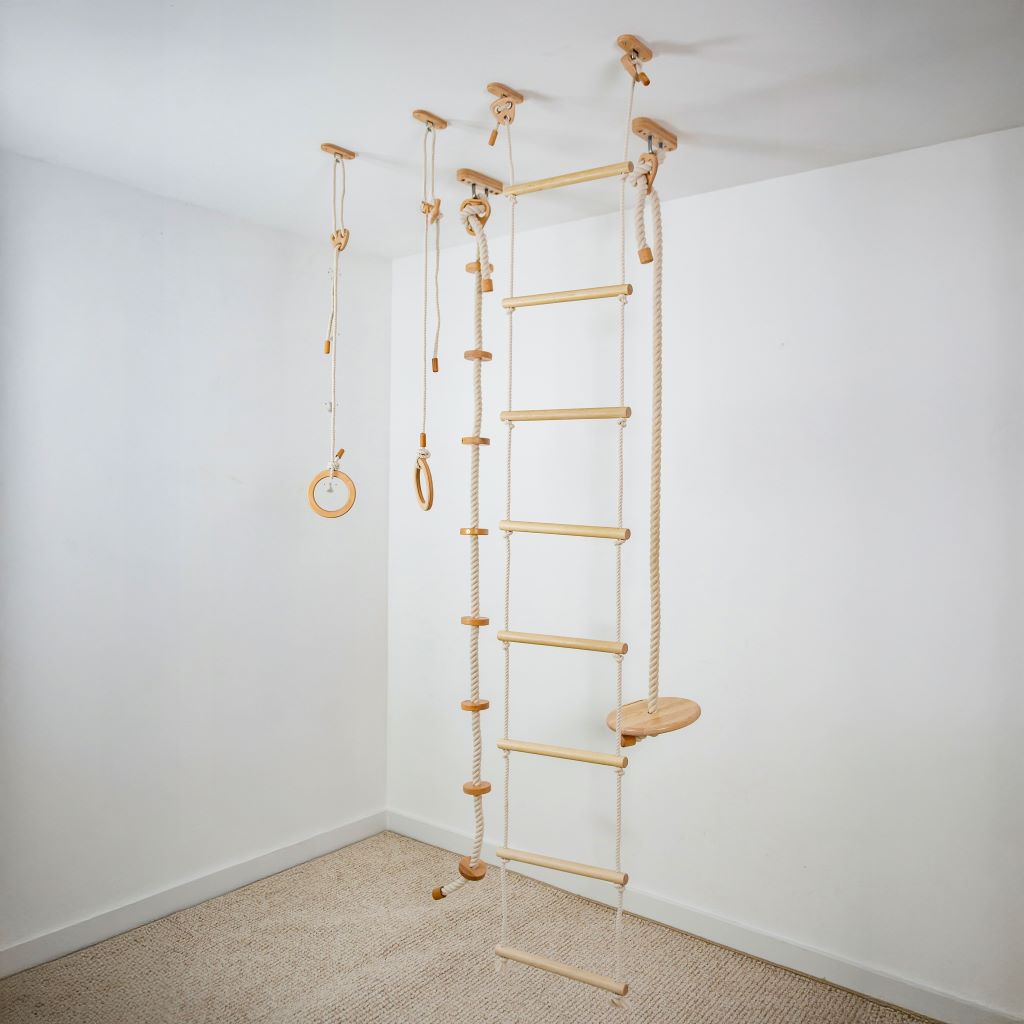
Rope Ladder Climbing Systems
Rope ladder climbing combines vertical movement with balance challenges.
Children must coordinate hand and foot placement simultaneously.
This style supports both beginner and advanced skill levels.
Additionally, ladder structures often increase confidence because children progress step by step.
Many families prefer these systems for younger users.
Knot Climbing Ropes
Knotted designs provide natural rest points.
Children can pause during climbs and adjust positioning.
These systems often work well for mixed age groups.
Knots also improve grip security.
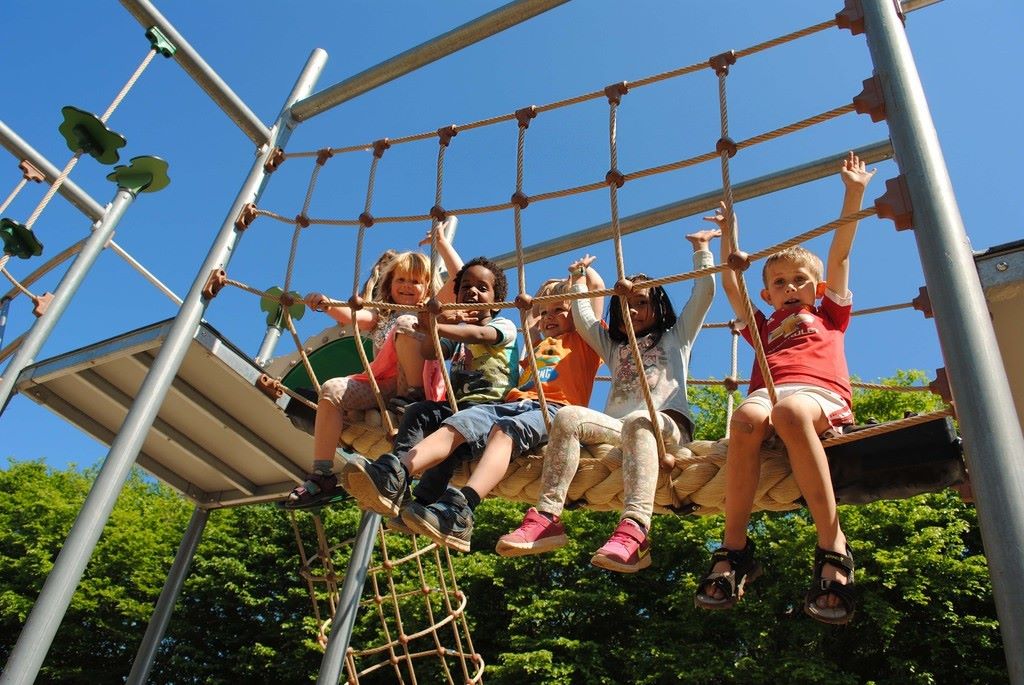
Multi-Rope Playground Structures
Larger climbing systems encourage social interaction.
Children create routes and invent games.
These structures appear frequently in modern recreation areas.
Many examples integrate directly with school playground equipment.
How Climbing Supports Physical Development
Climbing delivers measurable physical benefits.
Strength Development
Every climb requires pushing and pulling.
Children engage muscles throughout the body.
Repeated movement gradually increases endurance.
Balance and Stability
Climbing constantly shifts body position.
Children learn to react and maintain control.
Improved stability often transfers into sports performance.
Better Motor Skills
Movement precision matters during climbing.
Children make quick adjustments with each step.
These actions strengthen body awareness.
Kids Coordination Training
Coordination develops through repeated movement patterns.
Children learn timing, posture control, and movement sequencing.
Therefore, climbing becomes an effective form of kids coordination training.
How Schools Benefit from Rope-Based Play Equipment
Educational spaces increasingly prioritize active environments.
Teachers and administrators recognize movement supports learning readiness.
Physical activity often improves concentration and classroom engagement.
Some educators favor organized exercise sessions.
Others support free exploration.
Climbing equipment helps combine both approaches.
School playground equipment frequently includes climbing elements because children naturally rotate between activity types.
Additionally, rope systems support multiple participants simultaneously.
This design encourages cooperation and social development.
Safety Tips for Playground and Home Installation
Safe installation improves both performance and confidence.
Follow these recommendations:
- Install on level ground
- Use impact-absorbing surfaces
- Inspect ropes regularly
- Follow weight guidelines
- Maintain adequate clearance zones
Additionally, supervise younger children during initial use.
Small adjustments often prevent larger problems.
Common Mistakes When Buying Climbing Ropes
Avoid these purchasing errors:
- Choosing appearance over construction quality
- Ignoring weather resistance
- Selecting incorrect rope thickness
- Skipping hardware inspections
- Buying without measuring available space
Smart planning extends product lifespan.
How to Maintain Climbing Ropes for Long-Term Use
Maintenance keeps ropes performing well.
Clean surfaces periodically.
Remove debris and moisture.
Inspect for wear near attachment points.
Store removable systems during extreme weather.
Additionally, replace damaged components immediately.
Consistent care reduces replacement costs.
Frequently Asked Questions
1. What is the best material for playground climbing ropes?
Polypropylene and polyester usually offer excellent durability and weather resistance.
2. Is rope ladder climbing suitable for younger children?
Yes, when parents choose age-appropriate sizes and supervise use.
3. How often should climbing ropes undergo inspection?
Monthly inspections work well for regular household use.
4. Can climbing ropes improve physical fitness?
Yes. Climbing supports strength, endurance, and coordination.
5. Are climbing ropes appropriate for small backyards?
Many compact rope systems fit limited outdoor spaces.
Conclusion
Climbing ropes offer more than outdoor entertainment. They strengthen muscles, improve coordination, and encourage active habits through engaging movement. Whether you choose vertical ropes, rope ladder climbing systems, or larger playground installations, the right equipment creates meaningful physical benefits.
Start upgrading your outdoor space today and choose climbing solutions that help children stay stronger, more active, and more confident every day.
Featured Image Source
Sorry, the comment form is closed at this time.