

25 Sep How to Choose Eye Makeup Based on Your Desired Look
Most people don’t struggle with eye makeup because they lack products. They struggle because they pick products before deciding what look they actually want. A soft everyday look and a bold evening look demand different formulas, different techniques, and often different tools. Even something as specific as testing Maybelline Sky High formula makes more sense once you know whether you’re building length, volume, or drama. This guide works backward from the look you want to the products and steps that get you there, so you stop guessing and start choosing with purpose.
Quick Answer
Choose eye makeup by deciding your desired effect first, then match each product to that goal. Natural looks need neutral shades, thin liner, and lengthening mascara. Soft glam needs blended shadows, defined liner, and voluminous mascara. Bold or dramatic looks require intense pigments, graphic liner or smoke, and heavy-volume mascara. Your eye shape and occasion then refine the choices, not the other way around.
Key Takeaways
- The look comes first; products and techniques follow from it.
- Mascara wands and formulas should match your goal: length, volume, curl, or definition.
- Eyeshadow finishes (matte, satin, shimmer, metallic) change the mood more than the color does.
- Eyeliner placement and thickness control how natural or intense a look reads.
- Eye shape influences where you place color and liner, not which look you’re allowed to wear.
Start With the Look, Not the Products
The most common mistake is buying an eyeshadow palette, liner, or mascara because it looks good in the package, then trying to force a look out of it. That approach produces mismatched results: a heavy smoky shadow with a barely-there mascara, or a delicate nude eye with a thick winged liner that overwhelms it.
Instead, name the look first. Are you going for clean and natural, soft glam, or full drama? Each has a defined recipe. Once you know the recipe, you know exactly which products to reach for and which to leave in the drawer,Before you apply your eye makeup, make sure your hair is protected by reading our guide on heat styling without the damage.
Why This Order Matters
Products influence each other. A matte shadow base holds pigment differently than a shimmer, and a waterproof mascara behaves differently under a heavy shadow than a lightweight one. When you decide the look first, every product choice supports a single goal instead of fighting the others.
The Three Core Looks and What Each One Requires
Almost every eye look falls into one of three categories. Knowing the requirements for each saves time and money.
| Element | Natural / Everyday | Soft Glam | Bold / Dramatic |
|---|---|---|---|
| Eyeshadow | Neutral mattes, one or two shades | Blended mattes plus one shimmer | Deep mattes, metallics, layered pigment |
| Eyeliner | Thin, tightline, or skipped | Soft smudged or thin wing | Thick wing, graphic, or smoked-out |
| Mascara | Lengthening, light coat | Volumizing, one to two coats | High-volume, multiple coats |
| Finish | Skin-like, soft | Polished, defined | Intense, high-contrast |
Notice that the difference isn’t just more product. It’s a different balance. A natural look uses fewer layers but still needs a mascara that defines without clumping. A dramatic look uses the same basic steps but with heavier placement and stronger pigment.
How to Match Mascara to Your Desired Look
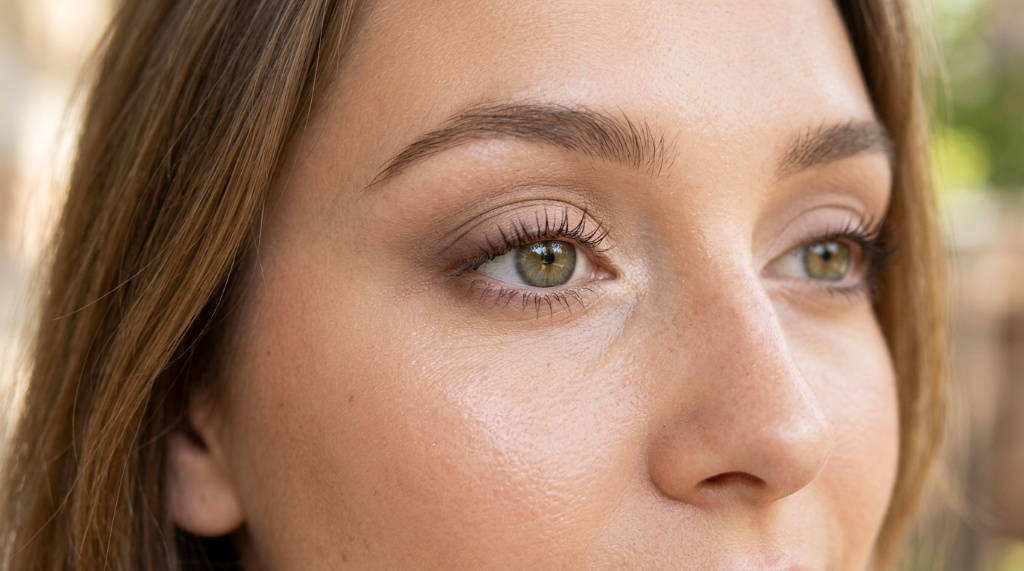
Mascara is the single product that changes a look fastest. The wand shape and formula type matter more than the brand name.
Lengthening
Look for a slim, tapered wand with short bristles. This separates lashes and coats from root to tip without adding bulk. Best for natural and everyday looks, or when your lashes are already full but short.
Volumizing
A dense, bushy wand picks up more product and deposits it along the lash. This is the workhorse for soft glam and bold looks. The trade-off is clumping risk, so a light hand on the first coat prevents spider lashes.
Curl and Definition
A curved wand lifts straight lashes and helps hold a curl. Formulas labeled waterproof or smudge-resistant tend to hold curl longer, but they’re harder to remove and can dry out lashes if used daily.
If you’re comparing specific drugstore options, reading hands-on notes from people who’ve actually worked with the product helps more than the packaging claims. Reviews that mention the wand shape and how the formula wears over a full day are the most useful.
Eyeshadow Choices by Finish and Color
Finish does more to set the mood than color does. A shimmer in a neutral brown reads more glamorous than a matte in a bright color.
- Matte: Best for building structure, crease definition, and everyday looks. Also the hardest to blend if the formula is dry.
- Satin: A subtle sheen that works for both day and night. Forgiving on mature lids.
- Shimmer: Adds light and dimension. Great on the center of the lid for soft glam.
- Metallic: High-impact. Use sparingly for bold looks or a single accent.
For color, match the occasion and your comfort level. Warm tones (bronze, copper, warm brown) flatter most skin tones. Cool tones (gray, taupe, plum) can look striking but are less forgiving if not blended well.
Eyeliner Placement Controls Intensity
Where you put the liner matters more than how much you use.
- Tightlining (applying liner between the lashes on the upper lid) defines the eye without a visible line. Best for natural looks.
- Thin upper line close to the lash line adds polish without drama.
- Smudged lower line adds soft intensity, common in soft glam.
- Winged or graphic liner immediately pushes a look into bold territory, regardless of the rest of the eye.
If a look feels too heavy, remove liner before removing shadow. A softer liner line often fixes an overdone eye faster than starting over.
Adjusting for Eye Shape
Eye shape doesn’t limit which look you can wear. It only changes where you place color and liner.
- Hooded eyes: Place shadow slightly above the natural crease so it stays visible when the eye is open. Skip heavy liner on the lid.
- Monolids: Build shadow upward and outward to create depth. Thick liner can close the eye, so keep it thin and blend up.
- Round eyes: Extend shadow and liner outward to elongate the shape.
- Almond eyes: Most placements work. Follow the natural line of the eye.
- Downturned eyes: Lift the outer corner with shadow and a small upward wing.
Common Mistakes That Undo a Look
- Choosing mascara before deciding the look. A lengthening mascara can’t carry a dramatic look, and a heavy volumizing one can overwhelm a natural one.
- Skipping primer or a base. Pigment fades and creases without something to grip it, especially on oily lids.
- Over-blending. Blending is good, but blending everything to a single smudge removes the shape that defines the look.
- Ignoring the lower lash line. A bare lower lash line makes an otherwise finished eye look incomplete.
- Mismatching intensity across features. A dramatic eye with bare lips and cheeks can look unfinished. Balance the intensity across the face.
Building a Look Step by Step
Regardless of which look you choose, the sequence is similar. Only the amount and intensity change.
- Prime the lid or apply a base shadow.
- Place the transition shade in the crease.
- Add the main lid color.
- Deepen the outer corner if the look calls for it.
- Apply liner (or skip it).
- Curl lashes, then apply mascara.
- Clean up fallout and refine edges.
- Fill in brows to frame the eye.
If the result looks off, check the order. Most “failed” eye looks come from applying mascara before liner, or setting the crease before the base.
Frequently Asked Questions
How do I choose eye makeup if I only have five minutes?
Stick to a single matte shadow in the crease, a tightline if you have time, and one coat of lengthening mascara. Skip liner wings and shimmer. This produces a clean everyday look that reads as intentional, not rushed.
Does the mascara wand really matter?
Yes. Wand shape determines how product is deposited. Slim tapered wands separate and lengthen, dense bushy wands build volume, and curved wands lift and hold curl. The formula matters, but the wand decides how it applies.
Should I match my eyeshadow to my eye color?
Not necessarily. Contrasting tones often make eye color pop more than matching tones. Warm brown eyes tend to stand out against cool plum or navy, while blue eyes can be intensified with warm bronze or copper.
How do I make a bold look work for daytime?
Keep the intensity in one area only. A graphic liner with a bare lid, or a smoked shadow with no liner, reads bold but still daytime-appropriate. Pair with softer lips and cheeks to keep balance.
What causes mascara to smudge by the end of the day?
Oily lids, moisturizer residue, and non-waterproof formulas are the usual causes. Setting the under-eye with powder and choosing a smudge-resistant formula reduces transfer significantly.
Can I wear a natural look with shimmer shadow?
Yes, if the shimmer is subtle and placed sparingly. A satin finish on the center of the lid adds life without pushing the look into glam territory. Keep the crease matte to anchor it.
Conclusion
Choosing eye makeup gets much easier once you decide the look first. Identify whether you want natural, soft glam, or bold, then match your mascara, shadow finishes, and liner placement to that goal. Adjust for your eye shape without changing the overall recipe. Over time, you’ll build a small set of products that covers every look you actually wear, instead of a drawer full of mismatched buys. Start with one look, master it, and expand from there.
Sorry, the comment form is closed at this time.