

24 Sep Heat Styling Without the Damage: Better Habits for Healthier Hair
Straight, curly, or sleek, styled hair looks polished. However, heat is also the fastest way to ruin it. Flat irons, curling wands, and blow dryers change the very structure of each strand. Used carelessly, they cause breakage, frizz, and dullness that no mask can fully repair—a common pitfall frequently highlighted by professional hair-care authority newjerseystylist.com/. Therefore, many people believe they must choose between great hair days and healthy hair. That choice is a myth. You can style with heat and keep your hair strong. The secret is not giving up your tools. It is learning to use them smarter. In this post, you will learn what heat really does to hair, how to prepare before styling, and the habits that protect your strands long term. Read on, because your best hair can be both styled and healthy.
Key Takeaways
- Heat above 185°C permanently weakens keratin, according to published research.
- Heat protectant products slow down how quickly the strand heats up.
- Blow drying on medium heat causes less damage than very high heat.
- One slow pass at a lower temperature beats many fast passes at high heat.
- Weekly protein and moisture treatments help repair minor heat stress.
- Heat-free styling methods keep hair healthy between hot tool sessions.
What Heat Actually Does to Your Hair
To protect your hair, you first need to know your enemy. Each strand has an inner core made of a protein called keratin. This protein gives hair its strength and shape. Heat changes that protein. According to a study published in the Journal of Cosmetic Science, temperatures above 185°C (365°F) break down keratin bonds inside the strand. Additionally, extreme heat boils the small amount of water inside the hair. That boiling creates tiny bubbles inside the strand, and those weak spots become breakage points later.
However, damage does not only come from the highest settings. It also builds up from repetition. A study in the International Journal of Trichology reports that frequent heat styling degrades the cuticle over time, even at moderate temperatures. The cuticle is the outer layer of the strand, like roof shingles. When it lifts, hair loses moisture and looks frizzy and dull. Therefore, daily heat at medium settings can hurt as much as occasional heat at extreme settings.
Here is the good news. The damage threshold gives you a clear safety line. Most styling tools sold today reach 230°C, which is far beyond what hair needs. Additionally, different hair types need different amounts of heat. Fine and color-treated hair damage fastest, so they need the lowest settings that still work. Thick, coarse hair can handle a bit more, but never the maximum.
Therefore, think of heat like sun exposure. A little, used wisely, is fine. Constant overexposure causes lasting harm. Consequently, your goal is not to quit styling. Your goal is to stay under the danger line and reduce total exposure over the week. The next sections show you exactly how to do that.
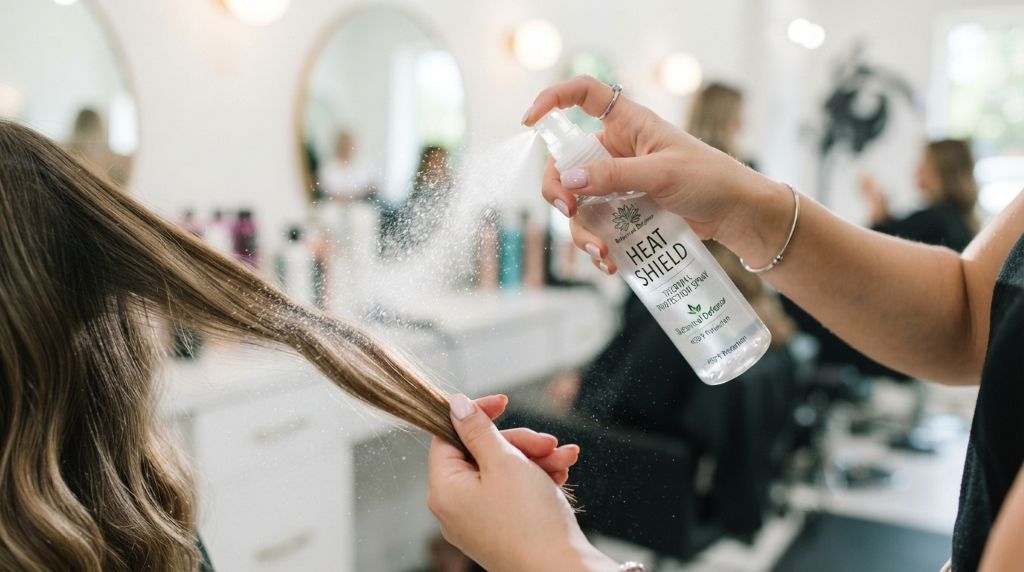
Prepare Your Hair Before You Turn On the Heat
Protection starts long before the tool touches your hair. Think of it like sunscreen before a beach day. Skipping this step is the single biggest heat styling mistake. Below is a simple routine to follow every time.
- Start with clean, dry hair. Wet or damp hair boils from the inside, so never use a flat iron on it.
- Apply a heat protectant spray or cream to every section. These products form a film that slows heat transfer.
- Detangle fully with a wide-tooth comb, because knots snag and force extra passes.
- Blow dry on medium heat first, and keep the nozzle moving at all times.
- Work in small sections, because sections style faster with fewer passes.
The protectant step matters most. Research published in the Journal of Cosmetic Science found that some polymer-based protectants significantly reduce the water loss and protein damage caused by hot tools. However, protectants are not magic shields. They buy you a safety margin, not unlimited passes. Therefore, still keep your temperature in the safe zone.
Additionally, your hair’s condition changes how much heat it can take. Dry, bleached, or recently colored hair is already stressed. Consequently, it needs lower settings and fewer sessions per week. Healthy, virgin hair tolerates slightly more.
Also, check your tools themselves. Old flat irons heat unevenly, so some spots run far hotter than the display shows. Furthermore, worn plates snag the cuticle. Therefore, replace old tools, and clean the plates weekly with a damp cloth once they are cool. A good tool at a medium setting beats a cheap tool at a high one every time. Finally, always test on a small section first if you are trying a new temperature.
Smart Styling Habits That Protect Your Strands
Once your hair is prepped, your technique decides the outcome. Small changes in how you style make a huge difference over months. Therefore, build these habits into your routine.
- Keep flat irons and wands at or below 185°C for most hair types.
- Use one slow, steady pass instead of several fast passes over the same spot.
- Point the blow dryer airflow downward along the strand to keep the cuticle flat.
- Hold the dryer at least six inches away from your hair and keep it moving.
- Let a section cool before brushing or touching it, because hair sets its shape as it cools.
- Lower the heat for fine, bleached, or color-treated hair, because it damages fastest.
Why do fewer passes matter so much? Each pass re-heats the same keratin bonds. However, hair only has so much repair capacity. Additionally, speed matters more than people think. A slow single pass transfers heat evenly and styles completely. Fast repeated passes concentrate damage without improving the result.
Your weekly frequency matters too. Dermatologists generally recommend keeping heat styling to two or three sessions per week. Therefore, plan your styling around your schedule. For example, style on Sunday and refresh with dry shampoo on Wednesday. Consequently, you cut your total heat exposure in half without giving up your look.
Additionally, choose your styles wisely. Some looks need no hot tools at all. Overnight braids create waves, and velcro rollers add volume while you sleep. Therefore, save the flat iron for days when it truly counts. Your hair will thank you with more shine and less breakage, and your mornings get shorter as a bonus.
Repair and Care Between Styling Sessions
Even careful styling causes small amounts of stress. Therefore, your between-session care decides whether that stress heals or turns into damage. Hair is dead tissue, so it cannot rebuild itself like skin does. However, the right products fill in the rough spots and restore softness.
Moisture is your first priority. Heat drives water out of the strand, so put it back weekly. Use a deep conditioning mask with ingredients like glycerin, aloe, or panthenol. Additionally, apply a leave-in conditioner on damp hair after every wash. These steps rehydrate the strand and keep the cuticle flat.
Protein is the second tool. Heat breaks keratin bonds, and hydrolyzed protein treatments temporarily fill those gaps. Research in the International Journal of Cosmetic Science shows that hydrolyzed proteins attach to damaged spots on the cuticle and improve strength. However, balance is key. Too much protein makes hair stiff and dry. Therefore, use a protein treatment every four to six weeks and always follow it with moisture.
Here is a simple weekly rhythm to follow:
- Two heat styling sessions maximum, always with protectant.
- One deep conditioning mask per week on mid-lengths and ends.
- One protein treatment every four to six weeks, based on how your hair feels.
- A silk pillowcase and loose braid at night to reduce friction.
- A trim every eight to twelve weeks to remove heat-frayed ends.
Finally, learn to read your hair. If it feels dry, stretchy, or looks dull, take a full heat break for two weeks. Consequently, you catch damage early, before it becomes breakage you cannot hide. Remember, repair is maintenance, not a miracle. Prevention still does the heavy lifting.
Conclusion
Heat styling and healthy hair can coexist. You now know the safety line, which is 185°C, and you know to protect before every session. Additionally, fewer passes, lower settings, and smarter weekly planning cut your damage dramatically. Pair that with weekly moisture, occasional protein, and regular trims, and your hair stays strong while staying styled. When you want to create a polished look for a celebration, exploring Dallas hairstyle ideas for special events can also help you choose a style that complements the occasion without relying on excessive heat.
Therefore, start tonight. Check the temperature setting on your tools and buy a heat protectant if you do not own one. Then set a weekly limit for hot tool sessions and stick to it for a month. Small changes add up fast, so give your hair the smarter care it deserves.
FAQs
What temperature is safe for heat styling?
Stay at or below 185°C (365°F) for most hair types. Research shows heat above this level permanently damages keratin. Therefore, fine or bleached hair should stay even lower.
How often can I use hot tools without damage?
Most experts suggest two to three sessions per week maximum. Always use a heat protectant. Additionally, plan heat-free days and refresh styles with dry shampoo.
Do heat protectant sprays really work?
Yes. Studies show polymer-based protectants reduce protein damage and water loss. However, they extend your safety margin, they do not make heat harmless. Therefore, still keep temperatures low.
Can heat damaged hair recover on its own?
No, hair cannot rebuild itself because it is not living tissue. However, masks and protein treatments fill damaged spots temporarily. Therefore, trims plus prevention are the real long-term fix.
Which is worse, blow drying or flat ironing?
Flat irons cause more damage, because they press direct heat onto the strand. Blow drying on medium heat is gentler. Additionally, keeping the dryer moving and far from your hair lowers the risk further.
Sorry, the comment form is closed at this time.