
12 Jun How to Choose Between a BMX Racing Seat and a Freestyle Seat
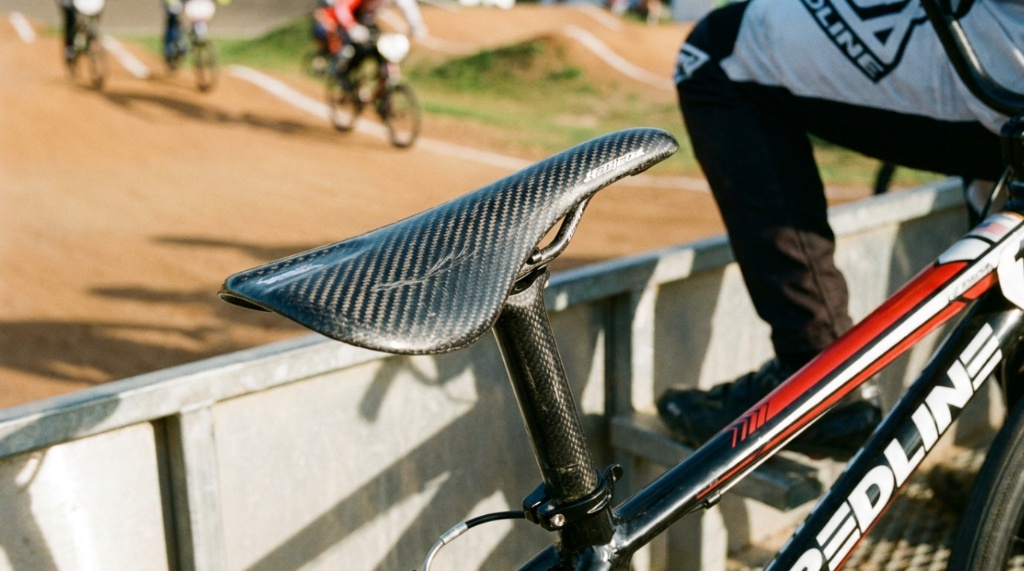
Two BMX bikes can look nearly identical to an outsider, but flip them over and the seats tell completely different stories. A BMX racing seat is a lightweight, minimal perch designed to be sat on during explosive sprints, shaving every possible gram. A BMX freestyle seat is a tougher, grippier saddle built to survive being grabbed, landed on, and abused during tricks. Choosing between them isn’t about preference — it’s about matching the seat to how you actually ride. Pick a racing seat for freestyle and it’ll get destroyed by your first hard session. Pick a freestyle seat for racing and you’ll carry unnecessary weight that costs you milliseconds at the start gate. The right choice depends entirely on your riding discipline.
BMX splits into distinct disciplines, and gear optimized for one often performs poorly in another. Racing prioritizes speed, weight, and pedaling efficiency over sprints and jumps on a track. Freestyle (park, street, dirt, flatland) prioritizes durability, grip, and trick functionality. The seat — often overlooked compared to frames and wheels — plays a real role in each discipline’s performance. Understanding the engineering differences helps you choose correctly the first time. Here’s the complete comparison to help you decide between a BMX racing seat and a freestyle seat based on your actual riding.
What’s the Core Difference Between Racing and Freestyle BMX Seats?
Racing seats prioritize minimal weight and aerodynamics for speed, while freestyle seats prioritize durability and grip for tricks. Racing seats are lightweight and slim; freestyle seats are tougher, often grippier, and built to survive abuse.
Fundamental design differences:
| Feature | Racing Seat | Freestyle Seat |
|---|---|---|
| Primary goal | Minimal weight, speed | Durability, grip, trick function |
| Weight | Very light (50–150g) | Heavier (200–400g) |
| Padding | Minimal (sat on briefly) | Moderate (varies by style) |
| Durability | Lower (not abused) | High (grabbed, landed on) |
| Cover material | Smooth, light | Grippy, tough (Kevlar, nylon) |
| Mounting | Railed (adjustable) | Pivotal (secure, light) |
| Shape | Narrow, aero | Varies (often flatter for grabs) |
When Should You Choose a BMX Racing Seat?
Choose a racing seat if you ride BMX race tracks, prioritize speed and pedaling efficiency, spend most of your riding seated during sprints, and want to minimize bike weight for faster acceleration off the start gate.
Racing seat advantages:
- Lightweight: Every gram matters in racing. Racing seats weigh as little as 50–150g, helping overall bike weight and acceleration.
- Aerodynamic profile: Slim, streamlined shapes reduce drag during high-speed sprints.
- Pedaling efficiency: Designed for seated power delivery during sprints and through rhythm sections.
- Adjustability: Railed mounting allows precise fore/aft and angle positioning for optimal pedaling biomechanics.
- Race-specific comfort: Enough padding for the brief seated portions of a race without unnecessary bulk.
Racing seat scenarios:
- BMX race track competition
- Sprint-focused riding
- Weight-conscious builds
- Riders who stay seated during pedaling

When Should You Choose a BMX Freestyle Seat?
Choose a freestyle seat if you ride park, street, dirt, or flatland, perform tricks involving the seat (seat grabs, seat stands), and need a durable, grippy saddle that survives being grabbed, landed on, and scraped.
Freestyle seat advantages:
- Durability: Built with tough covers (nylon, Kevlar-reinforced) and strong bases to survive repeated abuse from tricks and crashes.
- Grip: Textured or grippy covers help with seat grabs and keep you positioned during tricks.
- Trick functionality: Shapes and mounting designed for seat grabs, seat stands, and other seat-involved maneuvers.
- Secure mounting: Pivotal mounting keeps the seat firmly in place during hard landings and tricks.
- Impact resistance: Construction handles the force of landing on or near the seat without breaking.
Freestyle seat scenarios:
- Park and street riding
- Dirt jumping
- Flatland tricks
- Any riding involving seat grabs or seat-based tricks
- Riders who crash frequently (learning new tricks)
How Does Mounting Type Differ Between Racing and Freestyle Seats?
Racing seats typically use railed mounting for fine adjustability of seat position, while freestyle seats usually use pivotal mounting for a secure, lightweight connection that won’t shift during tricks and hard landings.
Mounting comparison:
- Railed (racing): Two rails clamp into an adjustable seat post clamp. Allows precise fore/aft positioning and angle changes to optimize pedaling position. The adjustability matters for dialing in race biomechanics.
- Pivotal (freestyle): Single bolt secures the seat to a toothed post. Lightweight, very secure, won’t shift during tricks. Angle is adjustable via the teeth. The standard for freestyle because it stays put under abuse.
- Combo (versatile): Some seats accept both mounting types. Useful for riders who switch disciplines or are unsure of their post type.
For racing, the railed system’s adjustability helps optimize the seated pedaling position. For freestyle, the pivotal system’s security and light weight win — a seat that shifts during a trick is dangerous and frustrating.
Does Seat Choice Actually Affect Performance?
Yes — in racing, seat weight and position affect acceleration and pedaling efficiency, directly impacting race times. In freestyle, seat durability and grip affect trick execution and how long the seat survives, impacting both performance and replacement costs.
Performance impacts by discipline:
- Racing performance: A lighter seat reduces overall bike weight, improving acceleration off the gate (where races are often won). Proper seat position optimizes pedaling power and reduces fatigue. The differences are small but matter at competitive levels.
- Freestyle performance: A grippy, durable seat enables confident seat grabs and trick execution. A seat that slips or breaks mid-session ends your riding day and your trick attempts. Durability directly affects how much you can ride and progress.
For recreational riders, the performance difference is less critical than the durability and comfort difference. A casual rider won’t notice 100g of seat weight, but they will notice if a racing seat disintegrates during park riding or if a heavy freestyle seat makes their race bike feel sluggish. Finding the right setup goes beyond just your saddle type—every component impacts your control, speed, and comfort on the track or the street. If you are looking to fully optimize the rest of your build, check out our comprehensive breakdown of Philadelphia Bike Gear and Accessory Reviews for expert testing on top-rated frames, bars, and components.
Can You Use One Seat for Both Racing and Freestyle?
It’s possible but compromised. A durable freestyle seat works adequately for casual racing, but a lightweight racing seat will quickly get destroyed by freestyle abuse. If you must choose one, a mid-weight durable seat handles mixed use better than a pure racing seat.
Mixed-use considerations:
- Freestyle seat for occasional racing: Works fine. You carry slightly more weight, but the seat survives both. Good compromise for riders who mostly do freestyle but occasionally race casually.
- Racing seat for freestyle: Bad idea. Racing seats lack the durability and grip for tricks. They’ll tear, break, or slip quickly under freestyle abuse. Avoid this combination.
- Versatile mid-weight seat: If you genuinely split between disciplines, choose a durable mid-weight seat with pivotal mounting. It compromises on racing weight savings but handles both adequately.
The honest recommendation: if you’re serious about both disciplines, owning two bikes (or at least two seats) is ideal. If you must pick one, lean toward durability — a freestyle-capable seat survives everything, while a racing seat survives only racing.
What Should You Budget for Racing vs Freestyle Seats?
Budget $20–$60 for a quality racing seat and $20–$50 for a freestyle seat. Racing seats can cost more for premium lightweight materials, while freestyle seats prioritize durable construction at moderate prices.
Budget breakdown:
- Racing seats ($20–$60): Entry-level lightweight seats start around $20. Premium carbon-railed or ultra-light models reach $60+. Weight reduction costs money.
- Freestyle seats ($20–$50): Durable pivotal seats start around $20. Premium reinforced models with Kevlar covers reach $50. Durability is more affordable than extreme weight reduction.
- Combo/versatile seats ($25–$45): Mid-range seats handling both uses. Good value for mixed riders.
For most riders, an affordable $20–$35 seat in the correct discipline category provides excellent performance. Reserve premium spending (racing weight reduction or freestyle reinforcement) for competitive riders who genuinely benefit from the marginal improvements.
How Do You Match Seat Choice to Your Riding Goals?
Identify your primary riding discipline first, then choose the seat optimized for it — racing seat for track competition and sprints, freestyle seat for park/street/dirt tricks, and a durable mid-weight seat if you genuinely split between both.
Decision framework:
- I race on a track → Racing seat. Prioritize light weight and railed adjustability.
- I ride park/street/dirt → Freestyle seat. Prioritize durability and pivotal mounting.
- I do seat grabs and seat tricks → Freestyle seat. Grip and durability are essential.
- I mostly cruise and occasionally race → Durable mid-weight seat with moderate padding.
- I split evenly between racing and freestyle → Two seats ideal, or one durable versatile seat as compromise.
- I’m a beginner unsure of my discipline → Durable freestyle seat. It survives everything while you figure out your style.
Conclusion
Choosing between a BMX racing seat and a freestyle seat comes down to matching the seat to your actual riding discipline. Racing seats are lightweight, slim, and railed for adjustability — optimized for speed and seated pedaling on a track. Freestyle seats are durable, grippy, and pivotally mounted — built to survive grabs, landings, and the abuse of park, street, and dirt riding. Choosing the wrong one means either a destroyed seat (racing seat in freestyle) or unnecessary weight (freestyle seat in racing).
Identify your primary discipline, then choose the seat designed for it. If you genuinely split between racing and freestyle, lean toward a durable seat that survives both, or invest in separate seats for each bike. Budget $20–$50 for quality in either category — premium pricing only benefits competitive riders. Match the seat to how you really ride, and it’ll perform and last exactly as it should.
What’s your main BMX discipline? Tell me whether you race, ride park, hit street, or mix it up in the comments — I’ll recommend the specific seat type and features that fit your riding.
Frequently Asked Questions
What’s the difference between a BMX racing seat and a freestyle seat?
Racing seats are lightweight and slim, optimized for speed and seated pedaling with railed adjustable mounting. Freestyle seats are durable and grippy, built to survive tricks and landings with secure pivotal mounting. Racing prioritizes weight; freestyle prioritizes durability and grip.
Can I use a racing seat for freestyle BMX?
Not recommended. Racing seats lack the durability and grip needed for freestyle. They’ll tear, break, or slip quickly under the abuse of tricks, grabs, and landings. For freestyle, use a durable pivotal-mounted freestyle seat designed to survive that kind of use.
Which BMX seat is more comfortable?
It depends on riding style. Freestyle seats often have more padding for the varied positions of park/street riding. Racing seats have minimal padding since racers sit only briefly during sprints. For general comfort and cruising, a moderately padded freestyle or mid-weight seat is most comfortable.
Do I need a special seat for seat grabs?
Yes — freestyle seats are designed for seat grabs with grippy, durable covers and shapes that facilitate grabbing. Racing seats aren’t built for this and will wear quickly. If you do seat grabs or seat-based tricks, choose a freestyle seat with a grippy, tough cover.
How much does a good BMX seat cost?
Budget $20–$60 for a racing seat (more for premium lightweight materials) and $20–$50 for a freestyle seat. Most riders are well-served by affordable $20–$35 seats in the correct discipline category. Premium pricing mainly benefits competitive racers (weight) or hardcore freestyle riders (durability).
What mounting type is best for freestyle BMX?
Pivotal mounting is best for freestyle. It uses a single bolt into a toothed post, creating a secure, lightweight connection that won’t shift during tricks and hard landings. Railed mounting (common on racing seats) offers more adjustability but is less secure for the abuse of freestyle riding.
Should beginners get a racing or freestyle seat?
Beginners unsure of their discipline should get a durable freestyle seat. It survives all types of riding while you discover your preferred style, and it handles the crashes common when learning. A racing seat is too specialized and fragile for a beginner exploring different riding styles.
Sorry, the comment form is closed at this time.