
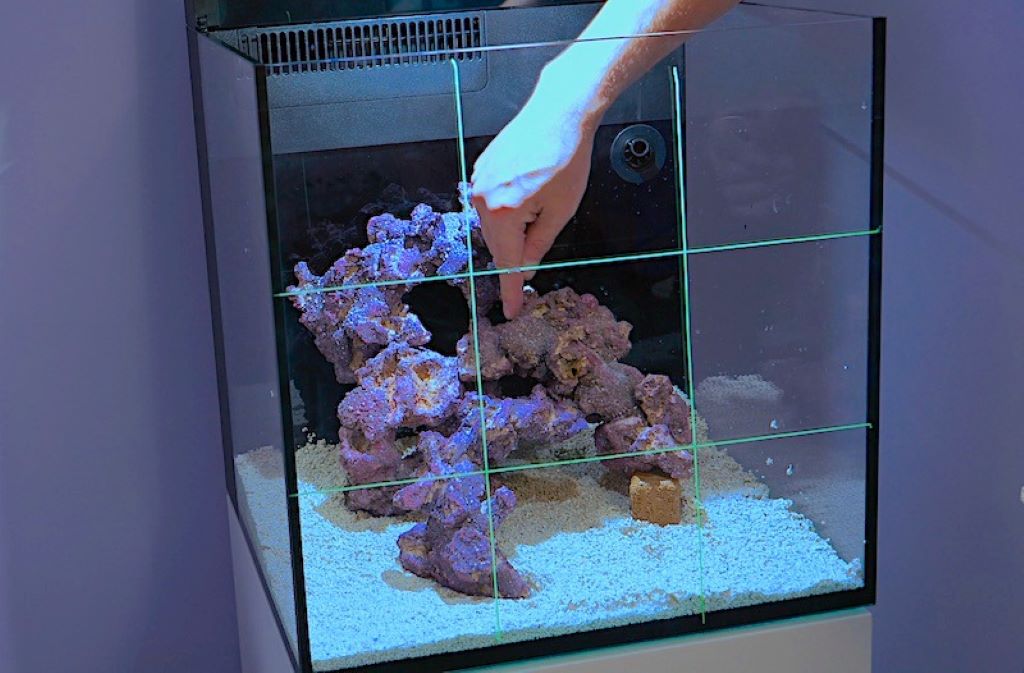
22 Jun From Dry Rock to Fully Stocked: A Timeline of the Reef Aquarium Setup Journey
Setting up a reef aquarium is an exciting adventure, but many beginners underestimate the timeline and detailed process it requires. From placing dry rock to fully stocking your tank with corals and fish, this journey demands patience, precision, and knowledge. This article breaks down the crucial phases of reef aquarium setup, backed by expert insights and real-world experiences. Whether you’re an enthusiast or a budding hobbyist, understanding this timeline helps avoid common pitfalls and ensures long-term success.
Phase 1: Preparing Your Dry Rock (Weeks 1-2)
Starting with dry rock offers flexibility but requires careful preparation. Unlike live rock, dry rock lacks beneficial bacteria and microorganisms. Therefore, the initial phase focuses on curing and cycling your rock to build a natural biofilter. Experts recommend soaking dry rock in saltwater, changing the water frequently to flush out debris and dead organic matter. According to a 2024 Marine Aquarist survey, 65% of failures in reef tanks stem from rushed cycling, highlighting the importance of patience.
Cycling usually lasts two to four weeks. During this time, ammonia levels spike and then decline as nitrifying bacteria colonize the rock surface. Testing water parameters daily ensures ammonia and nitrite drop to zero before moving forward. However, some hobbyists skip this phase by purchasing pre-cycled live rock, which can jumpstart the process but often costs more upfront.
Phase 2: Establishing the Reef Ecosystem (Weeks 3-6)
Once the dry rock has cycled, you can add live sand and begin introducing hardy corals or invertebrates. Adding live sand not only helps maintain beneficial bacteria but also provides microfauna critical to reef health. During this period, monitor the tank for unwanted algae blooms and stabilize water parameters such as salinity, pH, and temperature.
Many aquarists opt to add “clean-up crews” at this stage—snails, hermit crabs, and sea stars that consume algae and detritus. A popular choice is the Turbo snail, praised for its algae-eating efficiency and ease of care. As Reef Central forum discussions reveal, establishing a balanced micro-ecosystem early reduces maintenance struggles later.
Phase 3: Introducing Corals and Fish (Weeks 7-12)
After six weeks, your tank should show stable water conditions and minimal ammonia or nitrites. This stability is crucial for introducing more sensitive corals and fish. Start with hardy species like mushroom corals, zoanthids, or clownfish, gradually increasing biodiversity. Introducing too many species too quickly risks crashing your ecosystem due to nutrient overload or incompatible inhabitants.
Experts often suggest adding corals before fish, as corals are more sensitive to water quality fluctuations. Furthermore, corals help maintain water chemistry by absorbing nitrates and phosphates, indirectly benefiting fish health. According to Marine Depot’s 2023 guidelines, introducing fish incrementally over four weeks lowers stress and disease risk.
Phase 4: Full Stock and Ongoing Maintenance (Months 4+)
After three months, the reef aquarium typically reaches a “fully stocked” stage. By now, corals have grown, fish exhibit natural behaviors, and biological filtration functions optimally. However, reaching this point is not the end but a new beginning. Continuous monitoring of water parameters, routine water changes, and managing nutrient levels remain critical.
Successful reef keepers employ automated dosing systems and protein skimmers to maintain water quality. Additionally, lighting cycles tailored to coral species encourage vibrant coloration and growth. As reef aquarist forums suggest, “Your reef’s health depends on consistency, not just the setup.”

Featured Snippet: What is the timeline to set up a reef aquarium from dry rock to fully stocked?
Setting up a reef aquarium from dry rock involves several distinct phases. Initially, dry rock requires 2-4 weeks to cycle and develop beneficial bacteria. Afterward, introducing live sand and clean-up crews over 2-4 weeks helps establish the ecosystem. Corals and hardy fish are gradually added between weeks 7-12. Finally, by month four or later, the aquarium reaches a fully stocked, stable state requiring ongoing maintenance to thrive. Patience and careful monitoring throughout this timeline are essential for success.
Expert Tips for a Smooth Reef Aquarium Journey
- Be Patient: Rushing can lead to tank crashes; cycling takes time but builds a strong biological foundation.
- Test Frequently: Regular water tests for ammonia, nitrites, nitrates, and pH prevent unnoticed issues.
- Start Small: Begin with hardy species before expanding to delicate corals or fish.
- Maintain Consistency: Stability in temperature, salinity, and lighting keeps your reef healthy.
- Invest in Quality Equipment: Protein skimmers and reliable filters dramatically improve water quality.
Frequently Asked Questions (FAQs)
- How long does it take for dry rock to cycle?
Dry rock usually cycles within 2-4 weeks, depending on water conditions and rock quality. - Can I add fish during the cycling phase?
It’s best to avoid fish during cycling since ammonia and nitrites are toxic to them. - What is the best clean-up crew for algae control?
Turbo snails and hermit crabs are commonly recommended for effective algae control. - How do I prevent algae blooms early on?
Maintain stable water parameters and avoid overfeeding to reduce algae growth. - When can I add corals to my tank?
Introduce hardy corals after the tank stabilizes, usually 4-6 weeks after cycling begins. - What lighting is ideal for a reef aquarium?
LED lighting tailored for corals with adjustable intensity and spectrum works best. - How often should I perform water changes?
Weekly water changes of 10-20% help maintain nutrient balance and water quality.
Final Thought
Transitioning your reef aquarium from dry rock to a fully stocked aquatic marvel is a rewarding challenge. It requires dedication, knowledge, and time, but the payoff is stunning biodiversity and a thriving underwater ecosystem. By following a carefully paced timeline and employing expert strategies, you can enjoy vibrant corals and healthy fish for years to come. Remember, patience isn’t just a virtue in reef keeping — it’s a necessity.
Read More:
How to Choose Compatible Tank Mates for Your Aggressive Fish
White Eggplant When to Pick? Insider Tips for Perfect Harvesting
Sorry, the comment form is closed at this time.