
22 Jul 7 Signs of a Roof Leak You Shouldn’t Ignore
Ignoring roof leaks could be a dangerous mistake. They can cause severe damage and lead to harmful molds in the home.
Leaks usually start around roof penetrations, like vents and chimneys. Look for a watermark or discoloration on the ceiling uphill of these penetrations. If there is a leak, it may travel down the penetration and into the house below.
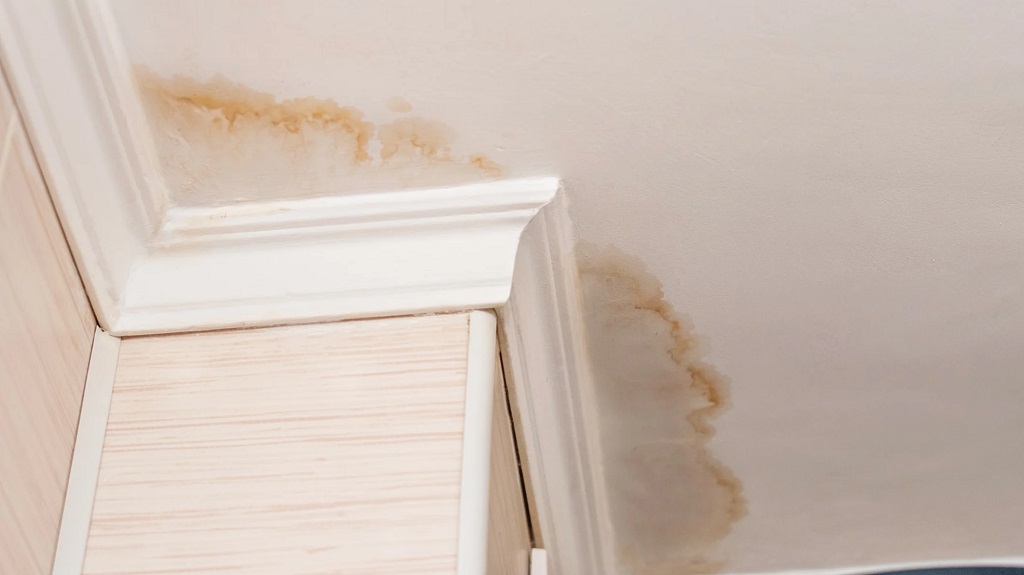
Water Spots
When water spots show up on your ceiling, they’re a clear sign that you have a roof leak. This can lead to severe damage if left unchecked.
Water spots are usually found where your exterior wall meets your roof. They’re a telltale sign that you have a leak and should be addressed immediately.
Another telltale sign of a leak is a musty smell. This can be the result of wet insulation that needs to be replaced. It can also indicate that mold is growing and that you must call a professional.
Dark Brown Ring
One of the more subtle signs that you have a roof leak is a dark brown spot on your ceiling surrounded by a dirt ring. While this is not as noticeable as a water stain, it is still a sign that you must call the professionals. The longer you wait, the more likely you will have significant and costly damage to your property, including drywall, insulation, and electrics. The best course of action is always to catch and repair a leak as soon as possible.
Water Spots on Outside Walls
When mold stains appear on your exterior walls, they are a warning sign of a roof leak. This is because mold grows in the presence of moisture, and a leaking roof can cause water damage.
This can damage your home’s walls, paint, and structure and also be a health risk to you and your family. If you see these signs, you must immediately contact a professional roof repair.
If you notice a musty or unpleasant smell, this is also an indication of a roof leak. This is because the musty smell is caused by mildew and mold growth due to moisture.
Water Stains on the Ceiling and Walls
Water stains on ceilings and walls are often considered condensation or caused by steam or humidity. However, likely, the dyes are caused by a roof leak. The color may appear near the bathroom, indicating a leaky toilet or clogged drain, or it can also be caused by inadequate attic insulation where warm air can easily drift into the attic.
Whatever the reason, you must not ignore these stains, as they will continue to grow and spread. In time, they will cause extensive water damage and can compromise the structure of your home.
Dark Spots on Exterior Walls
Look where the walls meet the roof if you spot dark spots on your home’s exterior. This can indicate roof leaks that aren’t as obvious as water stains.
Dark spots can also indicate rot or mold in wood framing around the ceiling, especially if wet for a long time. This severe problem could lead to structural damage in the house.
It’s essential to check for signs of a roof leak regularly. It can help prevent minor problems from becoming large and expensive.
Dripping Water
Home water damage can destroy wood framing, ruin wall, and ceiling coverings, and lead to mold and mildew. It’s essential to watch for early warning signs so that you can address them before they become significant issues.
Dripping water is the most obvious sign of a leak in your roof. You can also spot them by observing how often the leak occurs and whether it happens during specific weather conditions. If the leaking isn’t consistent, go into your attic on a sunny day and use a flashlight to look for flow stains on the plastic vapor barrier (don’t walk on the attic insulation). This is where many roof leaks begin.
Mold
Mold or mildew growing on walls is a sign of a roof leak. It occurs when a shingle or piece of flashing has been damaged. It can also happen when a faulty gap or a missing kick-out is flashing where the wall meets the roof. The water can run behind the drywall and cause damage to insulation, sheathing, and framing.
It’s essential to inspect your attic for signs of a leaking roof regularly. Excessive moisture is a breeding ground for mold, which causes a musty smell in your home and can irritate respiratory problems or allergies. Mold also releases spores, cells, and volatile organic compounds into the air.
Sorry, the comment form is closed at this time.