

15 Oct How to Get White Socks White Again: A Comprehensive Guide to Bright, Clean Socks
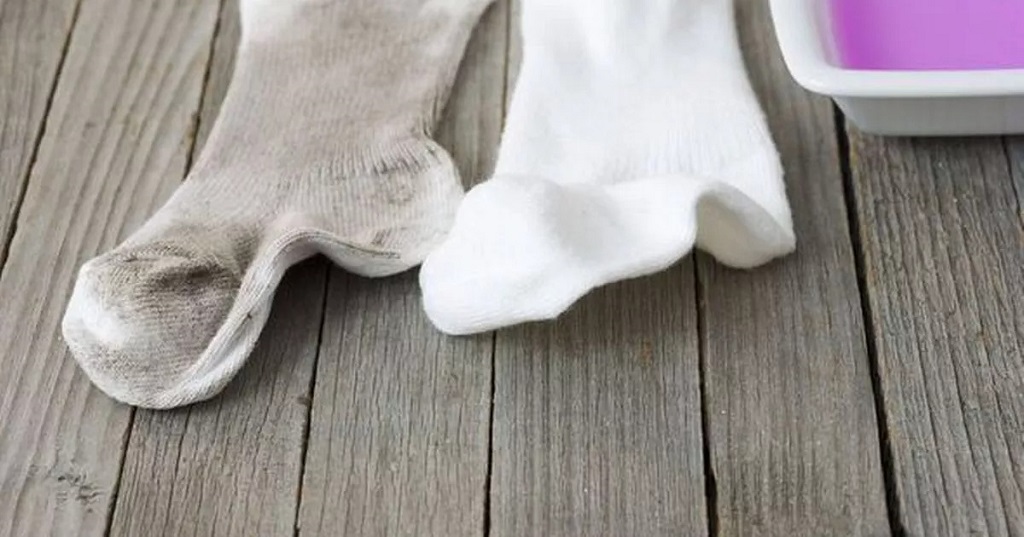
Imagine pulling on a crisp, bright pair of white socks, only to notice they’ve turned dingy, gray, or stained. It’s a common frustration—white socks seem to attract dirt, sweat, and discoloration like magnets. Whether it’s grass stains from a weekend hike, sweat from a gym session, or just the gradual dulling from repeated washes, keeping white socks pristine can feel like a losing battle. But don’t toss them out just yet! With the right techniques, you can restore your socks to their former glory and keep them looking fresh longer. In this guide, we’ll walk you through proven methods to get white socks white again, using everyday household items, eco-friendly solutions, and expert tips to tackle even the toughest stains.
Why Do White Socks Get Dingy?
Before diving into the solutions, let’s understand why white socks lose their brightness. Several factors contribute to the dull, stained appearance:
- Sweat and Body Oils: Perspiration and natural skin oils seep into the fabric, creating yellowish stains over time.
- Dirt and Debris: Walking on dirty surfaces or wearing socks without shoes can grind dirt into the fibers.
- Improper Washing: Using cold water, overloading the washing machine, or skipping pre-treatments can leave stains behind.
- Hard Water: Mineral deposits in hard water can cling to fabrics, causing a grayish tint.
- Dye Transfer: Washing white socks with colored clothes can lead to discoloration.
Understanding these culprits helps tailor your cleaning approach to restore that bright, clean look. Now, let’s explore the step-by-step methods to revive your white socks.
Method 1: Pre-Soaking for Deep Cleaning
Pre-soaking is a game-changer for tackling stubborn stains and discoloration. This method loosens dirt and grime before the main wash, making it easier to restore whiteness.
What You’ll Need:
- White vinegar
- Baking soda
- Warm water
- A large bowl or bucket
Steps:
- Fill a Bucket: Add 1 gallon of warm water to a bucket or basin. Warm water helps loosen stains without damaging the fabric.
- Add Cleaning Agents: Mix in 1 cup of white vinegar and 1/4 cup of baking soda. The vinegar breaks down oils and odors, while baking soda acts as a gentle abrasive to lift stains.
- Soak the Socks: Submerge your socks in the solution and let them soak for at least 1 hour, or overnight for heavily soiled pairs.
- Rinse Thoroughly: Rinse the socks under cold water to remove the soaking solution and loosened debris.
Pro Tip: For extra stubborn stains, add a tablespoon of hydrogen peroxide to the soak. It’s a natural bleaching agent that brightens without harsh chemicals.
Method 2: Washing with the Right Detergent
Choosing the right detergent and washing technique is crucial for maintaining white socks. Here’s how to do it effectively.
What You’ll Need:
- Oxygen-based bleach (e.g., OxiClean)
- Laundry detergent (preferably for whites)
- Washing machine
Steps:
- Pre-Treat Stains: Apply a small amount of liquid detergent directly to visible stains. Gently rub the fabric together to work it in.
- Add Oxygen Bleach: Add 1–2 tablespoons of oxygen-based bleach to the detergent compartment or directly into the drum. Unlike chlorine bleach, oxygen bleach is gentler and won’t weaken fibers.
- Wash in Hot Water: Use the hottest water setting safe for your socks (check the care label). Hot water enhances the cleaning power of detergents.
- Avoid Overloading: Wash white socks in a small load to ensure thorough cleaning and rinsing.
Pro Tip: Look for detergents labeled “for whites” or those with optical brighteners to enhance whiteness without damaging the fabric.
Method 3: Natural Brightening with Lemon Juice
For an eco-friendly approach, lemon juice is a natural whitening agent that can revive dull socks without harsh chemicals.
What You’ll Need:
- Fresh lemons or bottled lemon juice
- Warm water
- Laundry detergent
Steps:
- Create a Solution: Mix 1/2 cup of lemon juice with 1 gallon of warm water in a basin.
- Soak the Socks: Submerge the socks and let them soak for 30–60 minutes. The citric acid in lemon juice breaks down stains and brightens fabric.
- Wash as Usual: After soaking, wash the socks in your washing machine with regular detergent.
- Sun-Dry: Hang the socks to dry in direct sunlight. The sun’s UV rays enhance the whitening effect of lemon juice.
Pro Tip: This method works best for cotton socks, as synthetic blends may not respond as well to natural brighteners.
Method 4: Tackling Stubborn Stains with Hydrogen Peroxide
Hydrogen peroxide is a powerful yet safe option for removing tough stains like grass, blood, or coffee.
What You’ll Need:
- 3% hydrogen peroxide
- Cold water
- Laundry detergent
Steps:
- Spot-Treat Stains: Dab hydrogen peroxide directly onto the stained areas using a clean cloth or cotton ball. Let it sit for 5–10 minutes.
- Rinse Thoroughly: Rinse the socks under cold water to remove the peroxide and loosened stains.
- Wash Immediately: Wash the socks in a regular cycle with detergent to prevent any residue buildup.
Pro Tip: Test hydrogen peroxide on a small, hidden area of the sock first to ensure it doesn’t affect the fabric’s color or texture.
Method 5: Preventing Future Discoloration
Once your socks are white again, keep them that way with these preventive measures:
- Wash Whites Separately: Avoid mixing white socks with colored clothes to prevent dye transfer.
- Use the Right Water Temperature: Stick to hot water for whites unless the care label specifies otherwise.
- Clean Your Washing Machine: Run an empty cycle with vinegar monthly to remove detergent buildup and hard water minerals.
- Store Properly: Keep clean socks in a dry, well-ventilated area to prevent mildew or yellowing.
Common Mistakes to Avoid
To maximize your results, steer clear of these pitfalls:
- Using Chlorine Bleach Excessively: It can weaken fibers and cause yellowing over time.
- Skipping Pre-Treatment: Tough stains need pre-soaking or spot treatment to fully lift.
- Overloading the Washer: Crowded loads prevent thorough cleaning and rinsing.
- Ignoring Care Labels: Always check for fabric-specific instructions to avoid damage.
Eco-Friendly and Budget-Friendly Tips
Restoring white socks doesn’t have to break the bank or harm the environment. Here are some additional tips:
- Reuse Household Items: Vinegar, baking soda, and lemon juice are affordable and eco-friendly staples.
- Opt for Sun-Drying: Air-drying in sunlight saves energy and naturally brightens whites.
- Buy Quality Socks: Invest in durable, high-quality white socks to reduce frequent replacements.
How Often Should You Clean White Socks?
For best results, wash white socks after every use, especially if they’re exposed to sweat or dirt. Pre-soak or spot-treat stains immediately to prevent them from setting. A deep-cleaning soak every few weeks can maintain brightness for heavily used socks.
FAQs About Whitening Socks
Q: Can I use chlorine bleach on white socks?
A: While chlorine bleach can whiten, it’s harsh and may weaken fibers or cause yellowing over time. Opt for oxygen-based bleach for safer results.
Q: How do I remove yellow sweat stains?
A: Pre-soak with a vinegar and baking soda solution, then wash with an oxygen-based bleach.
Q: Are there store-bought products for whitening socks?
A: Yes, products like OxiClean or Vanish are effective. Follow the package instructions for best results.
Q: Can I whiten socks with synthetic fibers?
A: Yes, but avoid harsh chemicals like chlorine bleach. Use gentler methods like vinegar or hydrogen peroxide.
Conclusion: Bright Socks, Made Simple
Getting your white socks white again is easier than you think with the right tools and techniques. From pre-soaking with vinegar and baking soda to harnessing the natural power of lemon juice, these methods are effective, budget-friendly, and eco-conscious. By incorporating preventive habits, you can keep your socks looking crisp and clean for longer. Try these tips today and say goodbye to dingy socks for good!
Related Topic: How Much Do Primitive Decks Cost?
Call to Action
Have a favorite sock-whitening trick or a stubborn stain you need help with? Share your tips or questions in the comments below, and let’s keep the conversation going! For more laundry hacks and cleaning tips, subscribe to our newsletter or explore our blog for expert advice.
Sorry, the comment form is closed at this time.