

02 Jul Oklahoma City Seasonal Garden Guide – Wind, Heat & Soil Prep
Gardening in Oklahoma City isn’t for the faint of heart. This region brings high winds, blistering summer heat, unpredictable frosts, and tough clay soils. If you want a garden that thrives through all four seasons, you need more than luck—you need a strategy. This Oklahoma City Seasonal Garden Guide – Wind, Heat & Soil Prep delivers actionable tips and deep insights to help your plants not just survive but flourish.
Understanding the Oklahoma Climate Challenge
Oklahoma sits in a transition zone between humid and semi-arid regions, making it one of the most variable climates in the U.S. According to the Oklahoma Climatological Survey, the state experiences more than 60 days of 100°F temperatures annually. Winds, often reaching speeds over 20 mph, add extra stress on plants and soil.
These extremes demand planning and precision. You can’t treat Oklahoma City’s gardens like those in milder climates. You need to adapt every aspect—from plant selection to soil conditioning—for long-term success.
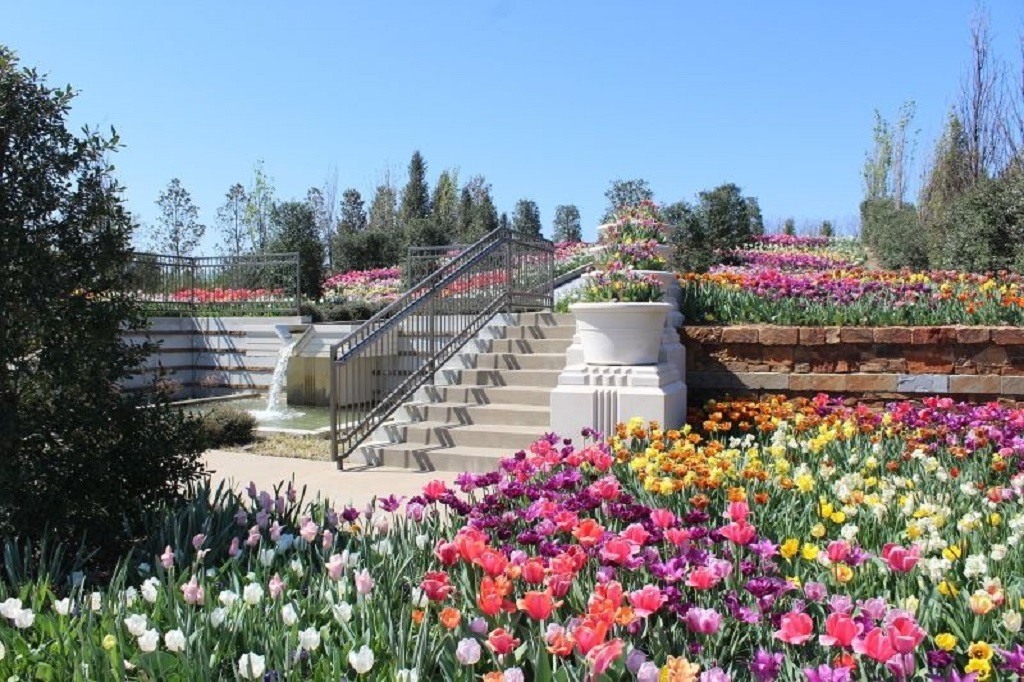
Wind: The Silent Garden Killer
Wind in Oklahoma is more than a nuisance. It dries out soil rapidly, snaps seedlings, and even spreads plant diseases. To mitigate its effects:
- Install windbreaks. Use fences, trellises, or strategically planted shrubs to block prevailing southern and western winds.
- Stake young plants. Support tomato cages, tall flowers, or fruiting vines early to avoid wind damage later.
- Use mulch. A 3-inch layer of organic mulch shields topsoil from wind erosion while conserving moisture.
According to the USDA Natural Resources Conservation Service, windbreaks can reduce wind velocity by up to 75%, creating a microclimate that encourages growth.
Heat: Surviving the Sizzling Oklahoma Summers
By July, temperatures in Oklahoma City regularly soar above 95°F. Combine this with persistent sun and dry spells, and you have a recipe for garden burnout.
Combat heat stress with these tried-and-true techniques:
- Water early. Irrigate at sunrise to reduce evaporation and maximize root uptake.
- Choose heat-tolerant varieties. Look for drought-resilient vegetables like okra, black-eyed peas, and sweet potatoes.
- Shade wisely. Use shade cloths (30–50% density) on delicate plants like lettuce or spinach during extreme heatwaves.
Master gardeners in Oklahoma recommend deep, infrequent watering—about one inch per week—to encourage root systems to grow deeper and withstand heat better.
Soil Prep: Building a Foundation for Year-Round Success
The clay-heavy soils of Oklahoma City can be both a blessing and a curse. Clay retains nutrients but drains poorly and compacts easily. Effective soil prep is essential to any seasonal garden plan.
Here’s how to transform that sticky clay into fertile, plant-ready soil:
- Amend with compost. Add 2–4 inches of well-aged compost annually to improve texture and drainage.
- Use gypsum. This natural mineral breaks up compacted clay without altering pH.
- Test your soil. A $10 soil test from the Oklahoma Cooperative Extension Service can reveal pH, nutrient levels, and more.
Raised beds are another excellent option. They offer better control over soil quality and drain faster after Oklahoma’s heavy spring rains.
Seasonal Planting Tips for Oklahoma City
To thrive in every season, follow these timing and planting guidelines tailored for the Oklahoma climate.
Spring (March–May):
Plant hardy vegetables like onions, cabbage, and carrots by mid-March. Start tomatoes and peppers indoors by early March and transplant in mid-April. Avoid planting too early—late frosts are common until mid-April.
Summer (June–August):
Switch to heat-tolerant crops like watermelon, cowpeas, and eggplant. Consider succession planting to maintain yields through scorching July and August.
Fall (September–November):
This is Oklahoma’s second gardening season. Plant cool crops such as kale, broccoli, and radishes by mid-September for a late fall harvest.
Winter (December–February):
While growth slows, winter is ideal for soil prep, tool maintenance, and planning. Add compost and mulch to beds and protect perennials with straw.
Native Plants: A Secret Weapon for Resilience
Incorporating native plants reduces maintenance and increases survival rates. Species like Purple Coneflower, Indian Blanket, and Little Bluestem are drought-resistant and adapted to local pests and diseases.
According to Lady Bird Johnson Wildflower Center, native plants require 80% less water and thrive in poor soils. They’re perfect for building sustainable, low-maintenance landscapes.
Read More Also: Philadelphia Safe & Sustainable Baby Products: What To Buy
FAQs – Oklahoma City Seasonal Garden Guide – Wind, Heat & Soil Prep
-
When is the best time to plant vegetables in Oklahoma City?
Early spring (March) and late summer (August) offer ideal windows for cool and warm-season vegetables.
-
How do I protect plants from Oklahoma’s high winds?
Use fences, dense shrubs, or trellises as windbreaks and stake vulnerable plants early.
-
What soil amendments work best in Oklahoma clay?
Compost, gypsum, and aged manure help improve structure, aeration, and drainage.
-
How often should I water during summer?
Once or twice a week with a deep soak. Morning watering is best to reduce evaporation.
-
Can I garden year-round in Oklahoma City?
Yes. With proper planning and frost protection, you can harvest cool-season crops into winter.
-
What are some good native plants to use in landscaping?
Indian Blanket, Butterfly Milkweed, and Little Bluestem thrive with minimal care.
-
Do I need to fertilize my garden if I add compost?
Yes, especially for heavy feeders like tomatoes. Supplement with organic fertilizers based on soil test results.
Read More Also: Dallas Hairstyle Ideas for Special Events – Tools & Experts
Final Thought
Gardening in Oklahoma City presents serious challenges, but it also offers immense rewards. By understanding and adapting to local climate realities—wind, heat, and clay-heavy soil—you unlock the secret to a productive, beautiful garden across all seasons.
Use this Oklahoma City Seasonal Garden Guide – Wind, Heat & Soil Prep as your roadmap. From wind protection to soil improvement and smart plant choices, these steps will lead to healthier plants, higher yields, and a thriving garden that endures even Oklahoma’s wildest weather.
With the right strategies, your Oklahoma City garden can bloom every month of the year—no matter what Mother Nature throws your way.
Sorry, the comment form is closed at this time.