

01 Apr How to Select Golf Irons for Beginners Without Overspending
Choosing your first set of golf irons is exciting but can be overwhelming, especially with so many options and price tags. It’s easy to overspend on fancy features or get lost in technical jargon. Fortunately, you don’t need a pro’s budget to start playing well. The smartest way to select golf irons for beginners is by focusing on forgiveness, comfort, and value for money—avoiding marketing hype and costly add-ons you don’t need. This guide breaks down how to select golf irons for beginners so you can make wise choices and save money.
Ready to find the perfect irons without breaking the bank? Let’s walk through what matters, what doesn’t, and how you can confidently build your starter set for less.
Why Should Beginners Avoid Expensive Golf Irons?
Beginners should avoid expensive golf irons because premium clubs often have features tailored for advanced players and add unnecessary costs. Inexpensive, beginner-friendly irons offer more forgiveness, helping new golfers build confidence and skill without wasting money on unneeded extras.
Many new golfers believe fancy clubs will instantly improve their game. But most high-priced irons are designed for pros who can take advantage of specific design tweaks. Beginners benefit more from clubs that help them get the ball airborne and straight.
- Forgiving clubs help correct common beginner mistakes
- Savings can be put towards lessons or practice rounds
- You can upgrade later as your skills progress
What Features Matter Most When Choosing Beginner Golf Irons?
The most important features for beginners are large clubfaces, perimeter weighting, cavity backs, and lightweight shafts. These design elements make it easier to hit solid shots, offer maximum forgiveness, and reduce the frustration that leads many newcomers to quit.
Golf iron design has evolved to aid beginners. Here’s why these features matter:
- Large clubfaces create a bigger sweet spot and reduce mishits.
- Perimeter weighting means more stability and accuracy, especially on off-center hits.
- Cavity backs move weight to the club’s edges, maximizing forgiveness.
- Lightweight shafts make the irons easier to swing, increasing consistency and distance.
By focusing only on these features, you avoid paying for unnecessary performance tweaks meant for scratch golfers.
How Can You Spot Marketing Hype and Unnecessary Add-ons?
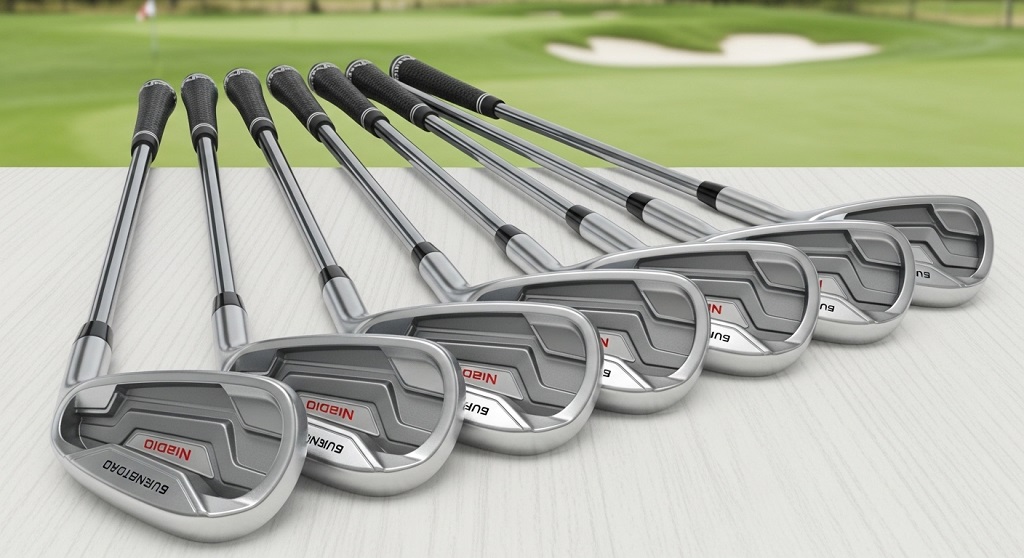
To avoid paying extra for marketing gimmicks, look for buzzwords like “tour,” “pro,” or “player” in club names and packaging. These usually signal advanced technology or design features that won’t benefit beginners and may inflate the price.
Here’s what to watch for when scanning product descriptions:
- Excessive adjustability: Beginners do not need adjustable weights or shafts—these add complexity and cost.
- Exotic materials: Materials like tungsten or carbon may sound impressive but don’t make much difference for high-handicap players.
- Tour endorsements: Clubs used by professionals are optimized for their swing speeds and skill levels, not yours.
Stick with straightforward, beginner-friendly model lines and ignore the marketing spin. Test clubs when possible, focusing on feel and performance—not just promises on the box.
Which Golf Iron Sets Offer Great Value for Beginners?
Sets from brands like Callaway, Wilson, and TaylorMade ranked highly for beginner value. Models such as the Wilson Ultra, Callaway Strata, and TaylorMade RBZ are affordable, reliable, and often bundled with everything a new golfer needs to start playing immediately.
Major brands often release entry-level sets specifically built for new players. These include features beginners need and strip away complicated, expensive extras. Consider buying a full set if you want irons, woods, and a putter together, but focus on models with strong user reviews for forgiveness and overall feel.
| Brand & Model | Set Includes | Forgiveness | Approx. Price |
|---|---|---|---|
| Wilson Ultra Complete | Irons 6-9, PW, SW, Woods, Putter, Bag | High | $250-$350 |
| Callaway Strata | Irons 6-9, PW, Woods, Putter, Bag | Very High | $300-$400 |
| TaylorMade RBZ SpeedLite | Irons 6-9, PW, SW, Woods, Putter, Bag | High | $500-$600 |
Should You Buy New or Used Golf Irons as a Beginner?
Buying used golf irons can offer tremendous value for beginners; you can often purchase lightly used, name-brand clubs for half the price of new ones. Just ensure the clubs are in good condition and fit your needs—avoid very old or worn sets.
New clubs come with warranties and the latest technology, but price can be a major deterrent. Shopping used at reputable retailers or golf shops lets you test clubs first, saves significant money, and frees you to upgrade later. Inspect grips, shafts, and faces for excessive wear before purchasing any used set.

How Many Irons Does a Beginner Really Need?
Beginners only need a core set of 4-5 irons to start: usually the 6-iron through pitching wedge. This range covers essential shots while keeping your bag light and the set affordable. You can always add more irons as your skills grow.
Here’s a practical starter setup:
- 6-iron
- 7-iron
- 8-iron
- 9-iron
- Pitching Wedge (PW)
These clubs handle most approach shots you’ll face. Filling your bag with extra clubs adds cost and confusion—focus on confidence with these basics, then expand when ready.
What Shaft Flex is Best for Beginner Golf Irons?
Regular or “flex” shafts are typically best for beginners because they offer the right blend of forgiveness and distance for slower swing speeds. Avoid stiff or extra-stiff shafts, which require faster swings and can make solid contact harder to achieve.
The right shaft flex helps you launch the ball higher and straighter. Most pre-packaged beginner sets come with regular flex as standard. If you’re not sure, try both regular and senior flex in-store and pick the one that feels more controllable.
How Can You Save Even More When Buying Beginner Golf Irons?
You can save more by shopping last year’s models, looking for package deals, buying used, and checking local pro shops or online marketplaces. Sign up for brand newsletters to score discounts and join local golf communities for swapping or trading clubs.
- Wait for sales at big-box sporting goods stores.
- Look for demo days to test clubs before buying.
- Buy only the essential irons you need to start.
- Consider club fitting at a golf shop—they may offer free or affordable fittings with purchase.
Remember, the right fit and forgiving design matter more than flashy brands. Patience and smart shopping help you get quality golf irons without overspending.
What’s the Best Approach to Selecting Beginner Irons Without Overspending?
The best approach is to research, focus on forgiveness and comfort, buy only what you need, and ignore luxury marketing. Set a budget, test clubs when possible, and prioritize reputable beginner-focused models over pro-level options.
By applying these strategies, you’ll build golf confidence early without paying for features you won’t use. Remember: every great golfer started simple and improved their gear over time.
How Do You Know When It’s Time to Upgrade?
It’s time to upgrade your irons when your scores improve, you gain consistency, and you feel limited by your current set—typically after a season or two of regular play. Until then, focus on learning and enjoying the game.
Frequent play, lessons, and range sessions will naturally guide your needs. When you outgrow the basics, you’ll be better equipped to invest in premium gear with confidence.
Conclusion
Finding the right beginner golf irons shouldn’t break the bank or overwhelm you with choices. By understanding your real needs and avoiding hype, you’ll invest smartly—and play more confidently. Focus on forgiving designs, buy only what you’ll use, and always shop for value, whether new or used.
Remember, every journey in golf starts with practical steps. Don’t overspend—choose wisely, and let your skills (not your equipment) do the talking. Ready to start your golf adventure? Begin with sensible irons chosen just for you!
Frequently Asked Questions (FAQ)
Can beginner irons work for intermediate golfers?
Yes. Many intermediate golfers use beginner irons because of their forgiving design. As you improve, you might prefer irons offering more shot control, but there’s no need to rush an upgrade if you’re still comfortable with your beginner set.
What’s the difference between blade and cavity back irons?
Blade irons have a thin, solid design suited for skilled players, while cavity back irons have a hollowed-out back, making them more forgiving for beginners by giving more consistent distance and accuracy on mishits.
Are starter golf sets good investments?
Starter golf sets are great for beginners since they bundle essential clubs at an affordable price. They help you get on the course quickly and easily. As you progress, you can replace individual clubs without a huge up-front spend.
How do I know if a used iron set is in good shape?
Check for clean grooves, straight shafts, and grips with little wear. Avoid big dents, heavy rust, or clubheads that feel loose. Try swinging them first if possible to judge their performance and feel.
Should beginners get professionally fitted for irons?
Fittings can help, but aren’t essential for most beginners. Many entry-level sets have standard sizes designed for a range of players. If you’re very tall, short, or have physical challenges, a fitting might be worth considering.
How much should I expect to spend on beginner irons?
Most beginners can get a quality set for $300 to $500, especially by buying used or package deals. Focusing on value rather than brand can help keep costs under control while still offering the performance you need.
Do shaft materials make a big difference for beginners?
Steel shafts are more durable and favored for beginners, while graphite shafts offer lighter weight and more flex. For most, the default option works well unless you have a slow swing speed or require lighter clubs.
Read More Also: How to Store Surf Equipment Safely at Home
Learn More: How to Choose the Best Nano Reef Tank Starter Kit
Sorry, the comment form is closed at this time.